2025! A year that has been a lot of things, but one thing that made me very happy was managing to read a little more than in the last two or three years. I spent time in the company of some fantastic books – some published in 2025, some in earlier years, and a couple of gems coming in 2026. So here’s some recommendations from what I enjoyed reading this year – and I hope you’ll find something you might enjoy too.
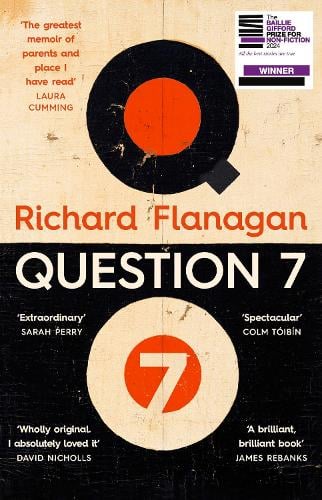

“At some point I came to understand that I wrote from the frontlines of a war about which most have no idea. For a long time I could not understand that it was possible to be both on the side that has the power, that has unleashed the destruction, vast as it is indescribable, and, at the same time, be on the side that loses everything.” – from Question 7 by Richard Flanagan
My standout read was Richard Flanagan’s Question 7, an extraordinary blend of memoir and a fictionalised account of the affair between H. G. Wells and Rebecca West. In a slim 275 pages, Flanagan covers nuclear physics, World War Two, the atomic bomb, climate breakdown, colonization, and a love letter to his parents. The prose is beautiful and devastating in its precision, the ideas are immense – I absolutely adored this book.
“Something exists in spite of everything else we know to be true of the world. Life is hopeless but it is not serious. We have to have danced while we could and, later, to have danced again in the telling.” – from Tremor by Teju Cole
Another quote I keep thinking about, and one I might have to stick above my desk for the year ahead. Gorgeously written and formally inventive, Teju Cole’s Tremor merges fiction and auto-fiction, ruminating on subjects from the narrator’s upbringing in Nigeria, to his present-day life as a photography teacher in the United States, by way of art, music, identity, and the long shadow of colonialism. Question 7 and Tremor feel very much in dialogue in the way they wrestle with collective and individual histories of trauma, but they are also books that seek to find a way through, and look to the light. I found both to be deeply moving and I know they will stay with me.
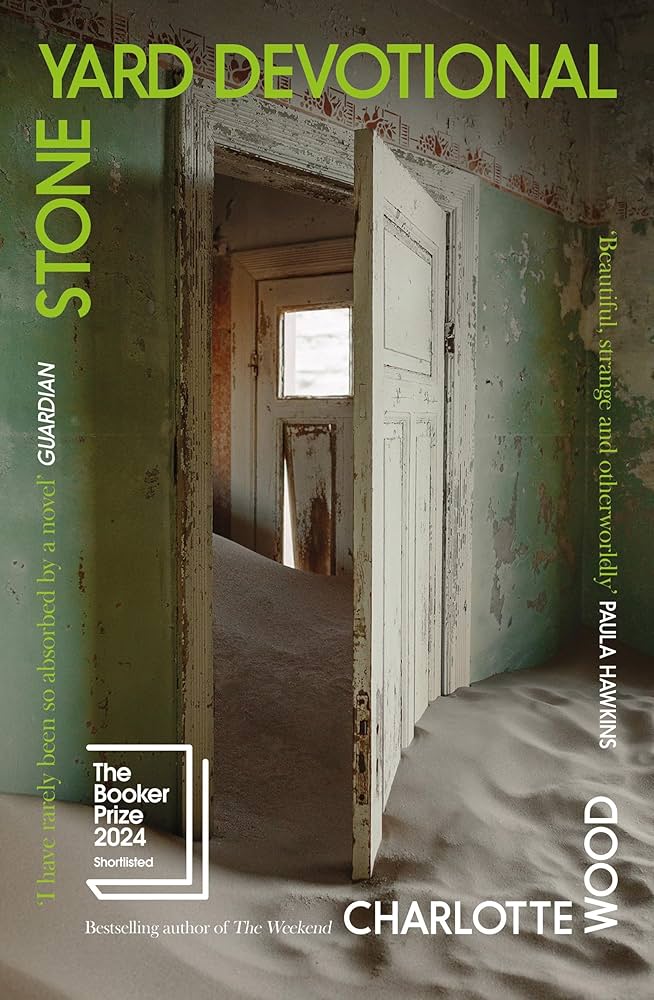
Charlotte Wood’s Stone Yard Devotional also interrogates the havoc wreaked by humanity, most specifically in relation to climate breakdown (no one reading this book will be able to forget the mouse plague…), but does so by questioning whether it is ever possible to leave the world we have created behind – and if so, at what cost? Our narrator abandons her life working on the frontline of conservation, and everyone she knows, to retreat to a remote rural residence alongside a sisterhood of nuns. A quietly simmering novel that creeps up on you.
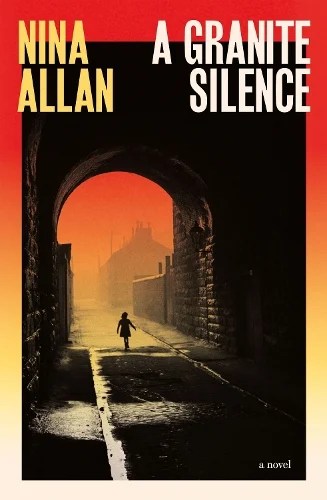
Beginning with the author’s investigation into the true-crime case of eight-year-old Helen Priestly, who disappeared from her home in Aberdeen in 1934, Nina Allan’s A Granite Silence proceeds to transcend genre boundaries with all of her trademark virtuosity. Helen’s life, and the stories of those caught up in the aftermath of her disappearance, are imagined with immense compassion, and the depiction of Helen’s might-have-been future will break your heart – but this is also a novel questioning to whom stories truly belong.
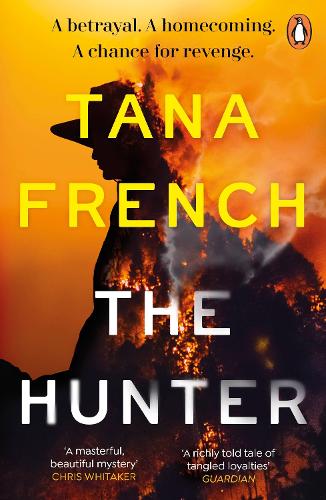
Any year in which I read a new Tana French novel is a good year. The Hunter is simply a perfect sequel to The Searcher, exquisitely detailed in its portrayal of small town secrets and politics, betrayal, and the desire for revenge, as well as in the carefully balanced, delicately evolving relationship between Trey and Cal. A fitting conclusion to Trey’s story, that absolutely sticks the landing.
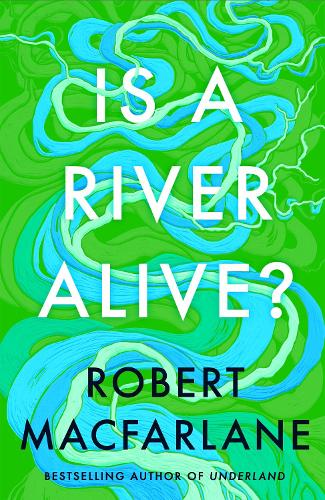

My subconscious may have been responding to the stresses of a very hot and dry UK summer, but this year was marked by a lot of water-themed books. Like everyone else I was eagerly awaiting the publication of Is A River Alive? and it was a joy to immerse myself in Robert Macfarlane’s words again. This timely non-fiction focuses on our relationship with the more-than-human world through the stories and personalities of three rivers, and deploys all of Macfarlane’s linguistic flair.
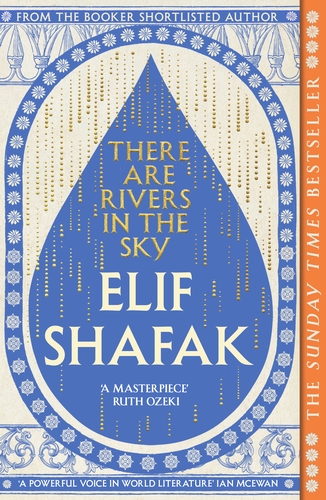
Elif Shafak’s There Are Rivers in the Sky also intertwined three narratives across past and present – a boy from the slums in Victorian London, born by the River Thames; a Yazidi girl living by the River Tigris in 2014, and a hydrologist in 2018 London. Each character is connected by water and currents, and their stories intertwine to a devastating conclusion. There are a lot of things that make Shafak one of our greatest storytellers, but one of them is surely her ability to depict the full range of human capability in any one text, from the worst of us to the best.
Also weaving multiple narratives, I enjoyed Gurnaik Johal’s Saraswati, which explores the ramifications – first locally, then nationally – of an ancient sacred river resurfacing in contemporary India. Seven characters from across the globe are linked by unfolding events, as well as through their shared genealogical history, in this ambitious fusion of politics, religion, folklore and climate fiction, marking Johal as a writer to watch.

The dynamic between three estranged sisters, forced together in the wake of their father’s death, is beautifully rendered in Julia Armfield’s Private Rites. Set in a near-future, flooded London, the perpetual rain becomes an oppressive presence in the novel that no one can escape. The writing is wonderful: vivid and visceral.
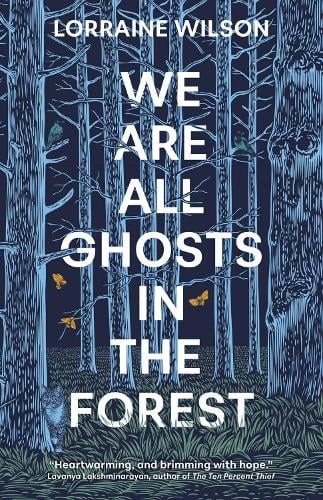
Lorraine Wilson’s We Are All Ghosts In The Forest is haunted by the spectre of approaching storms – and the perils they might bring – as well as by the digital ghosts of the internet that populate this post-climate breakdown world. I loved the nature-writing, and its detail (a real joy for bird lovers), and the dreamlike immersion into Katerina’s work as a herbalist and beekeeper. This is a hopeful vision of how we might live more in harmony with the world.
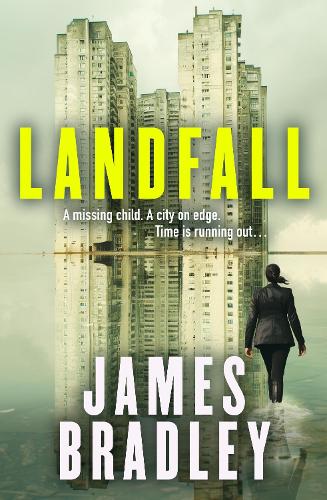

Landfall by James Bradley also focuses on approaching weather systems, with a police procedural set in a near-future Sydney under imminent threat from an incoming superstorm, and the life of a missing child at stake. I greatly enjoyed this blend of crime and climate fiction, which centres the experience of climate refugees – including an unforgettable description of a sea crossing – with huge compassion. A novel about the acts of kindness that shine through in crises; and again, the possibility of how we might do better for one another.
Shifting from water to another mercurial element, the second book I was waiting for this year was Sarah Hall’s Helm. The titular Helm (England’s only named wind) is imagined as a mischievous entity observing – and entertained by – humanity’s follies across the centuries, as climate breakdown begins to impact upon the wind’s own nature. Hall’s stunning, ever-inventive prose dazzles; taking us from moments of humour to deep poignancy, and I loved the inclusion of lists, images, and other found objects which punctuate the chapters.

Two very different novels centred characters wielding female sexuality as power and a means of escape from oppressive circumstances. A Splintering by Dur e Aziz Amna follows Tara’s bid to escape her life in rural Pakistan and pursue her ambition for a life of riches and luxury in the capital, using whatever and whoever it takes along the way. Playing ambition against motherhood, this is a brilliant portrayal of an intriguing and complex character.
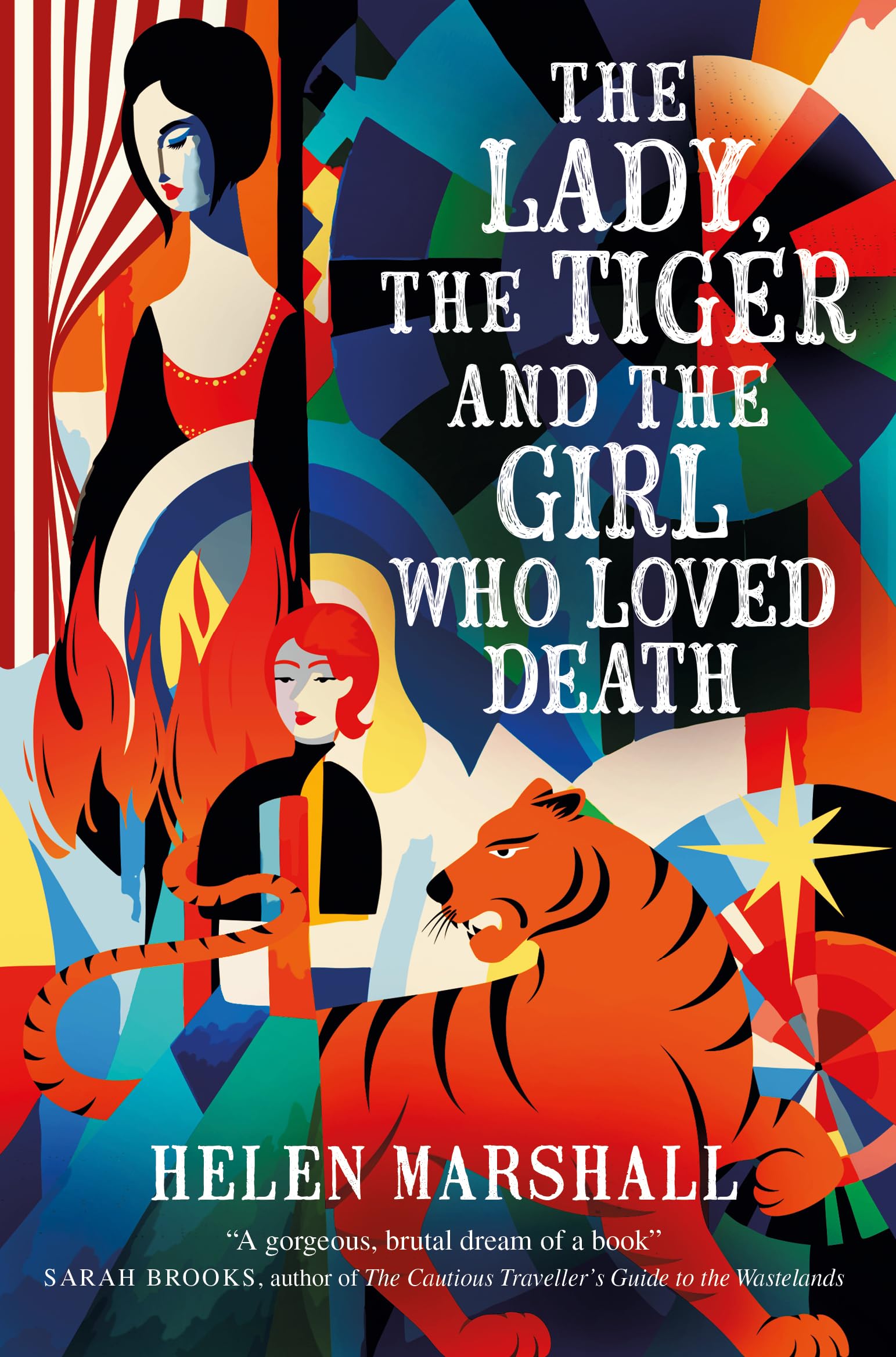
The Lady, the Tiger, and the Girl Who Loved Death by Helen Marshall blends folklore, dystopia and circus (it had me at circus) to tell an exquisitely constructed story of a grandmother and her granddaughter negotiating different eras of a totalitarian regime. Marshall uses an ouroboros frame which perfectly complements the book’s focus on the power of stories and storytelling: Sara, as a young woman, must listen to the memories of her future granddaughter Irenda – who has now, as an old woman, become the Evening Star.
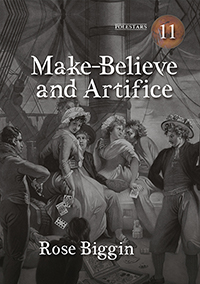
Rose Biggin’s short story collection Make-Believe and Artifice stood out for its marvellous inventiveness. Playing on genre tropes and expectations, there is a surprise for the reader at every turn of the page. Clever, funny, and gorgeously crafted, these are stories to savour on a cold dark night.
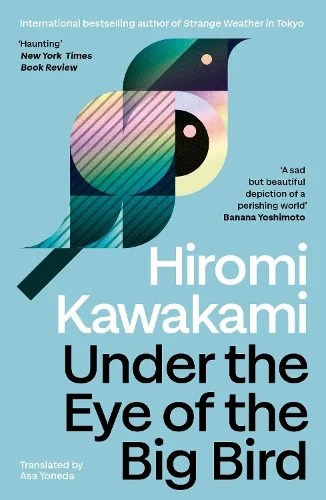
Towards the end of the year I read two far-future science fiction novels, which share some thematic similarities but deploy very different styles. Under the Eye of the Big Bird by Hiromi Kawakami is told in a series of linked short stories, which gradually piece together a bigger picture: on a dying earth, the human population has crashed and communities are isolated in an attempt to force evolutionary responses – with fascinating results. With spare, evocative prose, this is a slow burn which really rewards patience.
“The real conspiracies – the actual plots and plans that will shape whole worlds – are often far too vast and far too impersonal to really grasp, and when they are grasped, they are not called “conspiracies” at all, but rather “policies” or “business plans”. They may not serve you, may in fact destroy your livelihood, your life – but as you, personally, the hero in this tale, may be powerless to prevent a surprise attack or a corporate takeover that destroys your home, these things are not conspiracy at all. Just macroeconomic forces, and you happened to be there too.” – from Slow Gods by Claire North
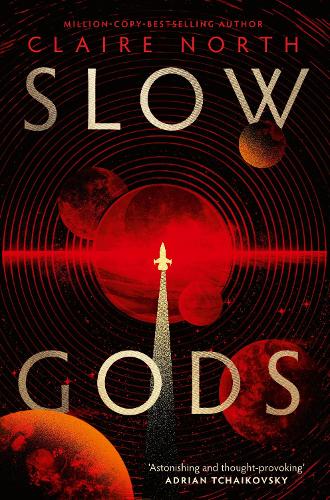
Slow Gods by Claire North is set in a distant star system, but feels very much a commentary on the world today, asking difficult questions about whose lives are valued and who gets to assign that value. A binary star system is due to collapse in a hundred years; the impacted worlds choose various ways to respond, some starting evacuation programmes, others carrying on in wilful ignorance. This high-octane story is told by the wonderfully charismatic Mawukana, whose wry commentary on the horrors of small talk will delight readers as much as the forays on political systems and discourse.
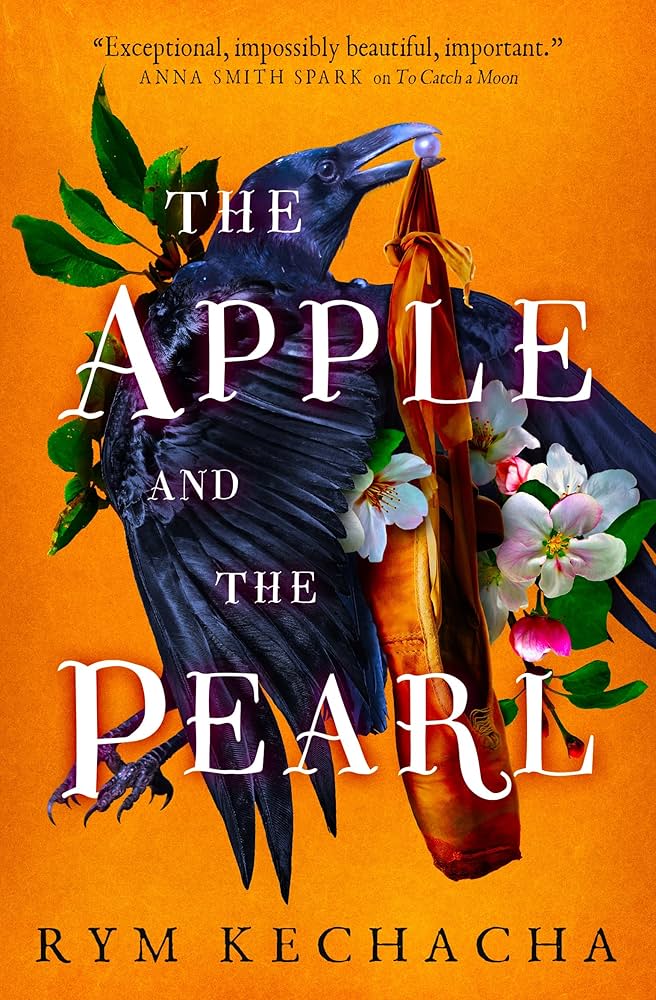
Finally, I can’t finish this post without mentioning two excellent books coming in 2026, both of which I was lucky to read early as ARCs. Rym Kechacha’s deeply compassionate and gorgeously strange The Apple and the Pearl follows a touring ballet company staging a show for a very unearthly audience, and is a beautiful ensemble portrait of what it means to live – and eventually have to leave – a life in performance.
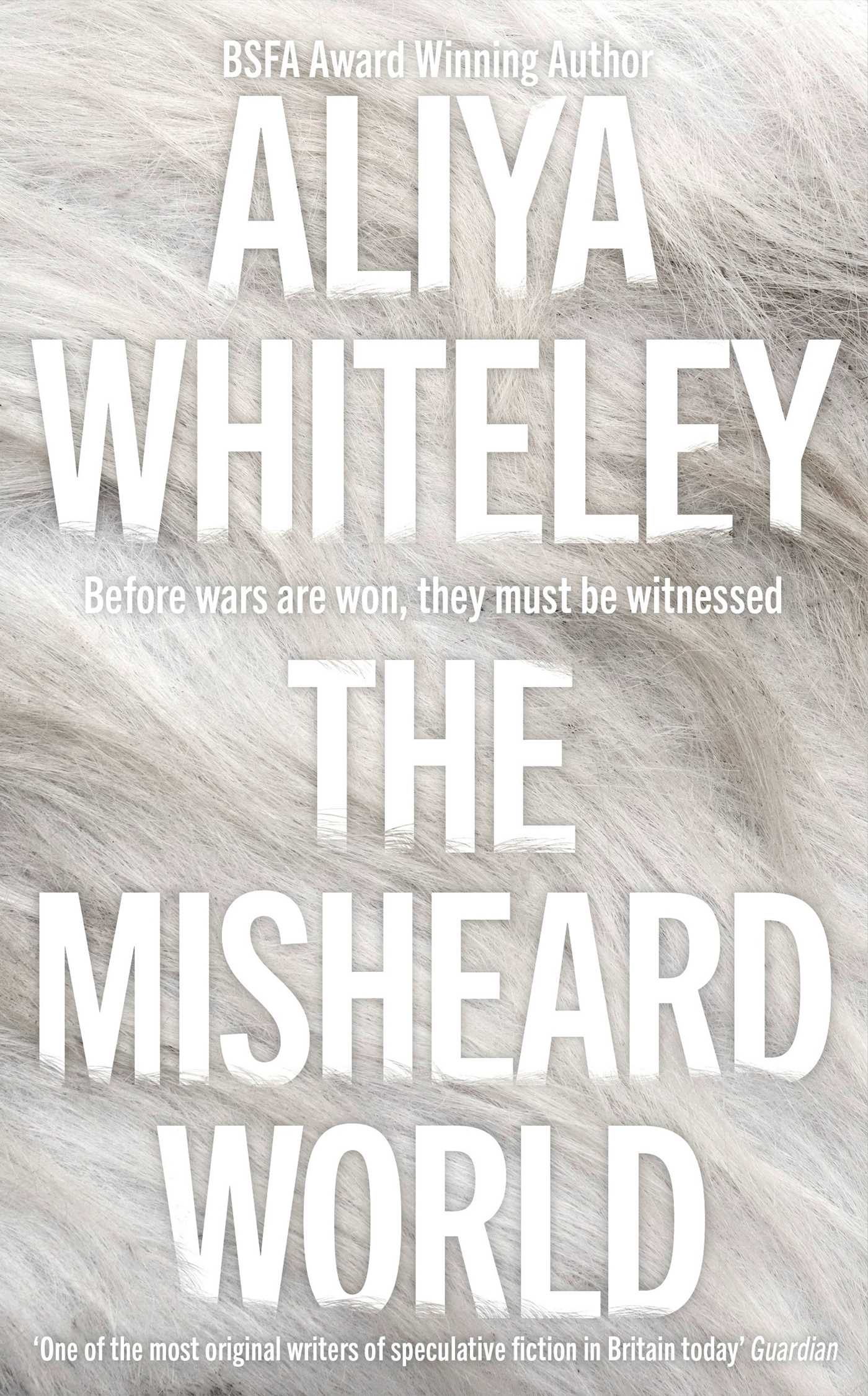
In The Misheard World, one of our most inventive writers Aliya Whiteley gives us a nation at war, a master spy, and a reminder of the peril of stories and those who tell them – and to say more would involve spoilers, but happily there’s not long to wait to get your hands on this.
With the shortest day now behind us in the northern hemisphere, and the light returning a little more each day, it definitely feels like the time of year to be browsing books – and of course, adding to the ever expanding to-read pile. So wherever and whatever you are reading, here’s to many happy and nourishing reading hours ahead in 2026.
 E. J. Swift