Year in review – book recommendations from 2025

2025! A year that has been a lot of things, but one thing that made me very happy was managing to read a little more than in the last two or three years. I spent time in the company of some fantastic books – some published in 2025, some in earlier years, and a couple of gems coming in 2026. So here’s some recommendations from what I enjoyed reading this year – and I hope you’ll find something you might enjoy too.
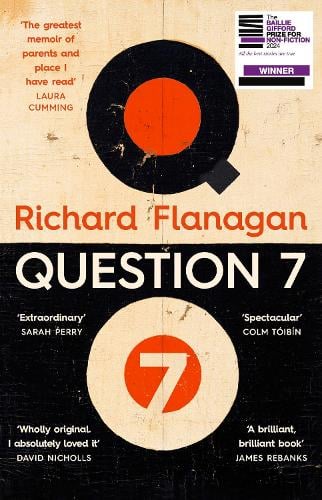
“At some point I came to understand that I wrote from the frontlines of a war about which most have no idea. For a long time I could not understand that it was possible to be both on the side that has the power, that has unleashed the destruction, vast as it is indescribable, and, at the same time, be on the side that loses everything.” – from Question 7 by Richard Flanagan

My standout read was Richard Flanagan’s Question 7, an extraordinary blend of memoir and a fictionalised account of the affair between H. G. Wells and Rebecca West. In a slim 275 pages, Flanagan covers nuclear physics, World War Two, the atomic bomb, climate breakdown, colonization, and a love letter to his parents. The prose is beautiful and devastating in its precision, the ideas are immense – I absolutely adored this book.

“Something exists in spite of everything else we know to be true of the world. Life is hopeless but it is not serious. We have to have danced while we could and, later, to have danced again in the telling.” – from Tremor by Teju Cole

Another quote I keep thinking about, and one I might have to stick above my desk for the year ahead. Gorgeously written and formally inventive, Teju Cole’s Tremor merges fiction and auto-fiction, ruminating on subjects from the narrator’s upbringing in Nigeria, to his present-day life as a photography teacher in the United States, by way of art, music, identity, and the long shadow of colonialism. Question 7 and Tremor feel very much in dialogue in the way they wrestle with collective and individual histories of trauma, but they are also books that seek to find a way through, and look to the light. I found both to be deeply moving and I know they will stay with me.

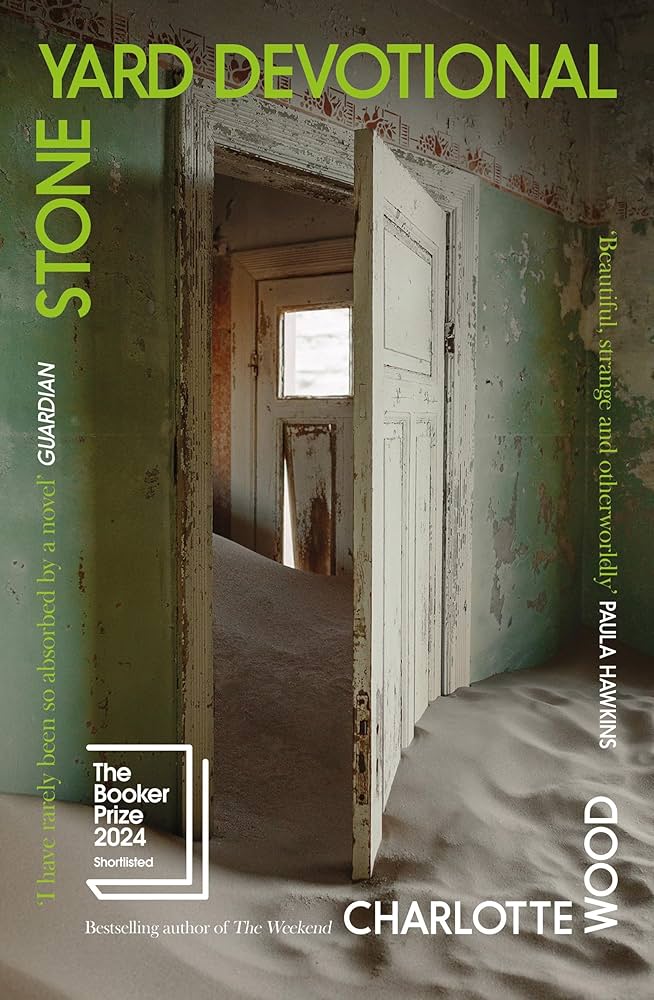
Charlotte Wood’s Stone Yard Devotional also interrogates the havoc wreaked by humanity, most specifically in relation to climate breakdown (no one reading this book will be able to forget the mouse plague…), but does so by questioning whether it is ever possible to leave the world we have created behind – and if so, at what cost? Our narrator abandons her life working on the frontline of conservation, and everyone she knows, to retreat to a remote rural residence alongside a sisterhood of nuns. A quietly simmering novel that creeps up on you.
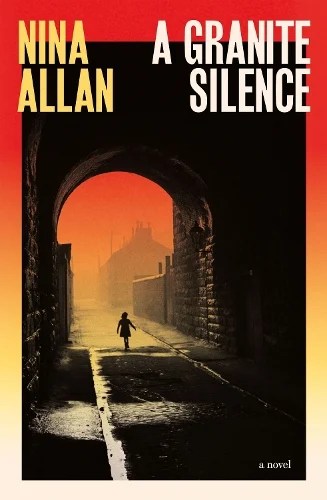
Beginning with the author’s investigation into the true-crime case of eight-year-old Helen Priestly, who disappeared from her home in Aberdeen in 1934, Nina Allan’s A Granite Silence proceeds to transcend genre boundaries with all of her trademark virtuosity. Helen’s life, and the stories of those caught up in the aftermath of her disappearance, are imagined with immense compassion, and the depiction of Helen’s might-have-been future will break your heart – but this is also a novel questioning to whom stories truly belong.

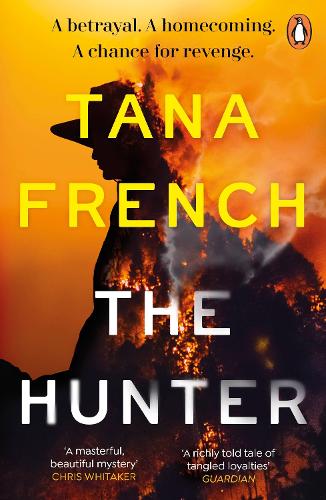
Any year in which I read a new Tana French novel is a good year. The Hunter is simply a perfect sequel to The Searcher, exquisitely detailed in its portrayal of small town secrets and politics, betrayal, and the desire for revenge, as well as in the carefully balanced, delicately evolving relationship between Trey and Cal. A fitting conclusion to Trey’s story, that absolutely sticks the landing. 
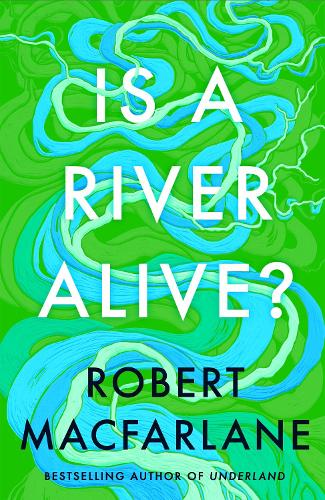
My subconscious may have been responding to the stresses of a very hot and dry UK summer, but this year was marked by a lot of water-themed books. Like everyone else I was eagerly awaiting the publication of Is A River Alive? and it was a joy to immerse myself in Robert Macfarlane’s words again. This timely non-fiction focuses on our relationship with the more-than-human world through the stories and personalities of three rivers, and deploys all of Macfarlane’s linguistic flair.

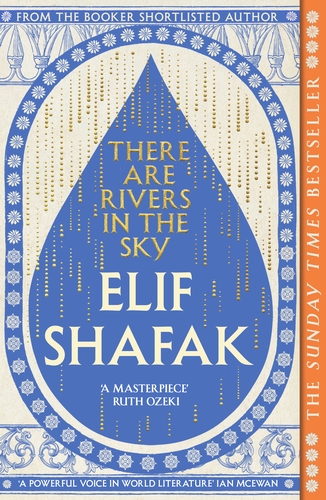
Elif Shafak’s There Are Rivers in the Sky also intertwined three narratives across past and present – a boy from the slums in Victorian London, born by the River Thames; a Yazidi girl living by the River Tigris in 2014, and a hydrologist in 2018 London. Each character is connected by water and currents, and their stories intertwine to a devastating conclusion. There are a lot of things that make Shafak one of our greatest storytellers, but one of them is surely her ability to depict the full range of human capability in any one text, from the worst of us to the best.

Also weaving multiple narratives, I enjoyed Gurnaik Johal’s Saraswati, which explores the ramifications – first locally, then nationally – of an ancient sacred river resurfacing in contemporary India. Seven characters from across the globe are linked by unfolding events, as well as through their shared genealogical history, in this ambitious fusion of politics, religion, folklore and climate fiction, marking Johal as a writer to watch.

The dynamic between three estranged sisters, forced together in the wake of their father’s death, is beautifully rendered in Julia Armfield’s Private Rites. Set in a near-future, flooded London, the perpetual rain becomes an oppressive presence in the novel that no one can escape. The writing is wonderful: vivid and visceral.

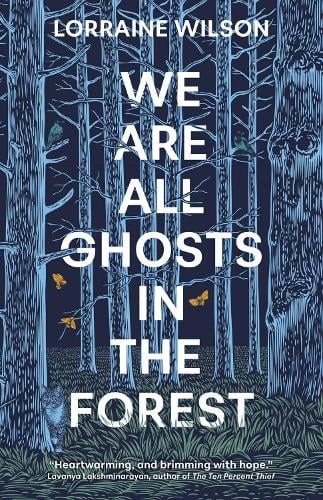
Lorraine Wilson’s We Are All Ghosts In The Forest is haunted by the spectre of approaching storms – and the perils they might bring – as well as by the digital ghosts of the internet that populate this post-climate breakdown world. I loved the nature-writing, and its detail (a real joy for bird lovers), and the dreamlike immersion into Katerina’s work as a herbalist and beekeeper. This is a hopeful vision of how we might live more in harmony with the world.
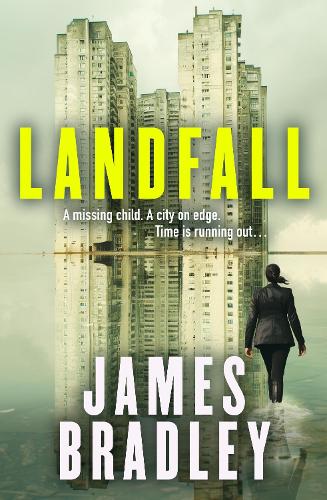
Landfall by James Bradley also focuses on approaching weather systems, with a police procedural set in a near-future Sydney under imminent threat from an incoming superstorm, and the life of a missing child at stake. I greatly enjoyed this blend of crime and climate fiction, which centres the experience of climate refugees – including an unforgettable description of a sea crossing – with huge compassion. A novel about the acts of kindness that shine through in crises; and again, the possibility of how we might do better for one another.

Shifting from water to another mercurial element, the second book I was waiting for this year was Sarah Hall’s Helm. The titular Helm (England’s only named wind) is imagined as a mischievous entity observing – and entertained by – humanity’s follies across the centuries, as climate breakdown begins to impact upon the wind’s own nature. Hall’s stunning, ever-inventive prose dazzles; taking us from moments of humour to deep poignancy, and I loved the inclusion of lists, images, and other found objects which punctuate the chapters.

Two very different novels centred characters wielding female sexuality as power and a means of escape from oppressive circumstances. A Splintering by Dur e Aziz Amna follows Tara’s bid to escape her life in rural Pakistan and pursue her ambition for a life of riches and luxury in the capital, using whatever and whoever it takes along the way. Playing ambition against motherhood, this is a brilliant portrayal of an intriguing and complex character. 

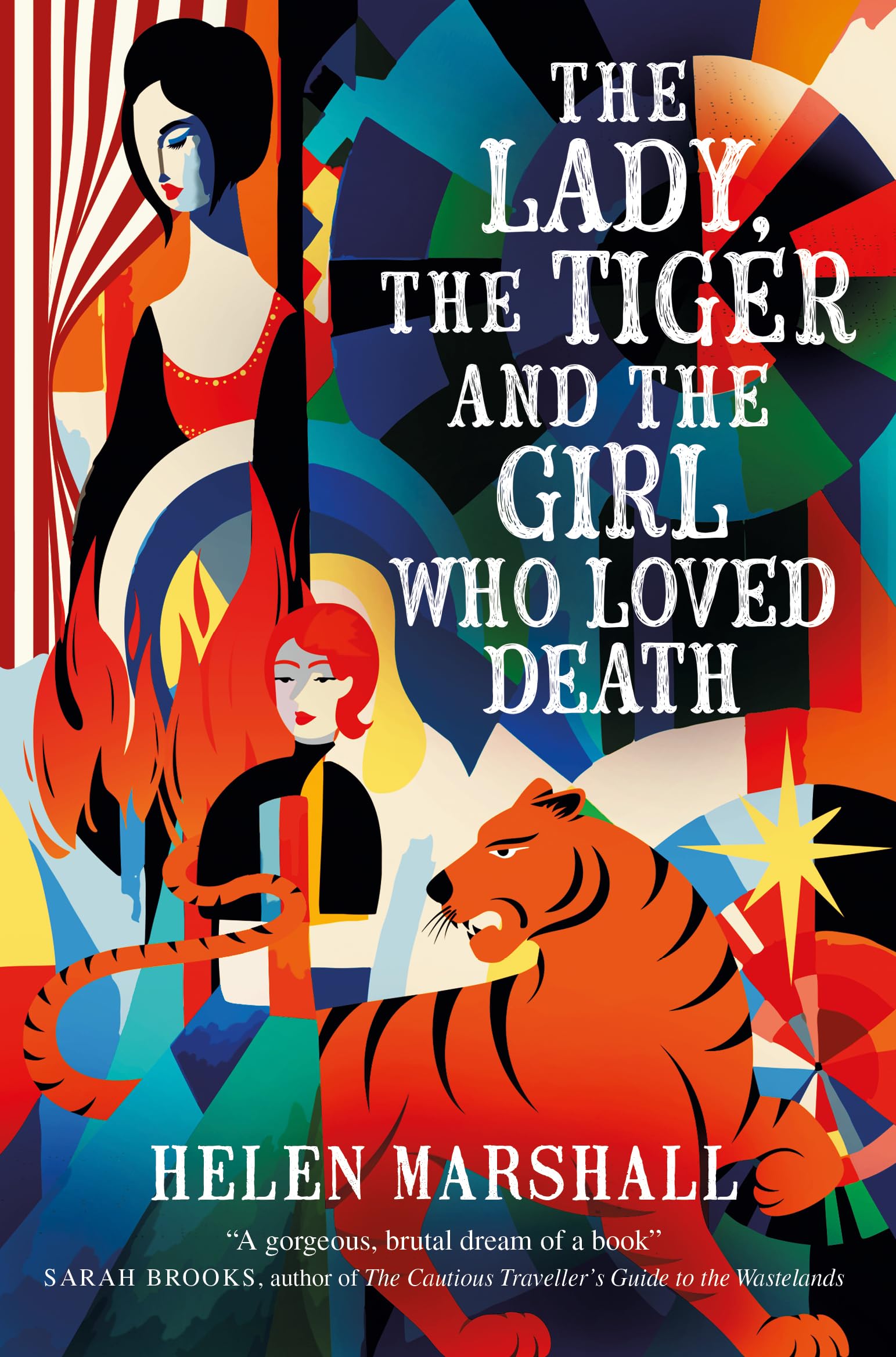
The Lady, the Tiger, and the Girl Who Loved Death by Helen Marshall blends folklore, dystopia and circus (it had me at circus) to tell an exquisitely constructed story of a grandmother and her granddaughter negotiating different eras of a totalitarian regime. Marshall uses an ouroboros frame which perfectly complements the book’s focus on the power of stories and storytelling: Sara, as a young woman, must listen to the memories of her future granddaughter Irenda – who has now, as an old woman, become the Evening Star.

Rose Biggin’s short story collection Make-Believe and Artifice stood out for its marvellous inventiveness. Playing on genre tropes and expectations, there is a surprise for the reader at every turn of the page. Clever, funny, and gorgeously crafted, these are stories to savour on a cold dark night.
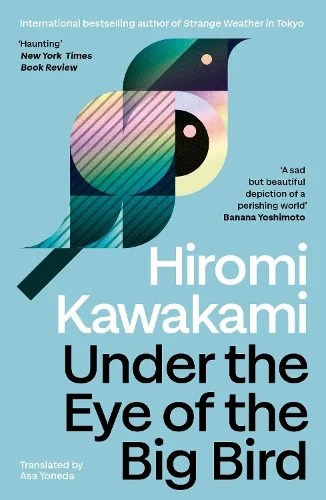
Towards the end of the year I read two far-future science fiction novels, which share some thematic similarities but deploy very different styles. Under the Eye of the Big Bird by Hiromi Kawakami is told in a series of linked short stories, which gradually piece together a bigger picture: on a dying earth, the human population has crashed and communities are isolated in an attempt to force evolutionary responses – with fascinating results. With spare, evocative prose, this is a slow burn which really rewards patience.

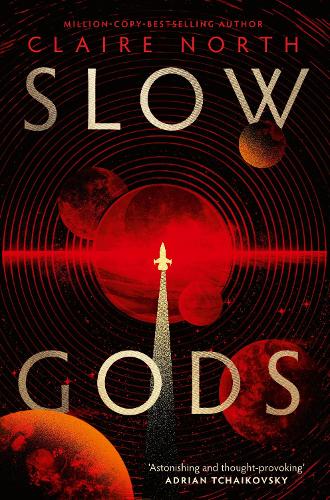
“The real conspiracies – the actual plots and plans that will shape whole worlds – are often far too vast and far too impersonal to really grasp, and when they are grasped, they are not called “conspiracies” at all, but rather “policies” or “business plans”. They may not serve you, may in fact destroy your livelihood, your life – but as you, personally, the hero in this tale, may be powerless to prevent a surprise attack or a corporate takeover that destroys your home, these things are not conspiracy at all. Just macroeconomic forces, and you happened to be there too.” – from Slow Gods by Claire North

Slow Gods by Claire North is set in a distant star system, but feels very much a commentary on the world today, asking difficult questions about whose lives are valued and who gets to assign that value. A binary star system is due to collapse in a hundred years; the impacted worlds choose various ways to respond, some starting evacuation programmes, others carrying on in wilful ignorance. This high-octane story is told by the wonderfully charismatic Mawukana, whose wry commentary on the horrors of small talk will delight readers as much as the forays on political systems and discourse.
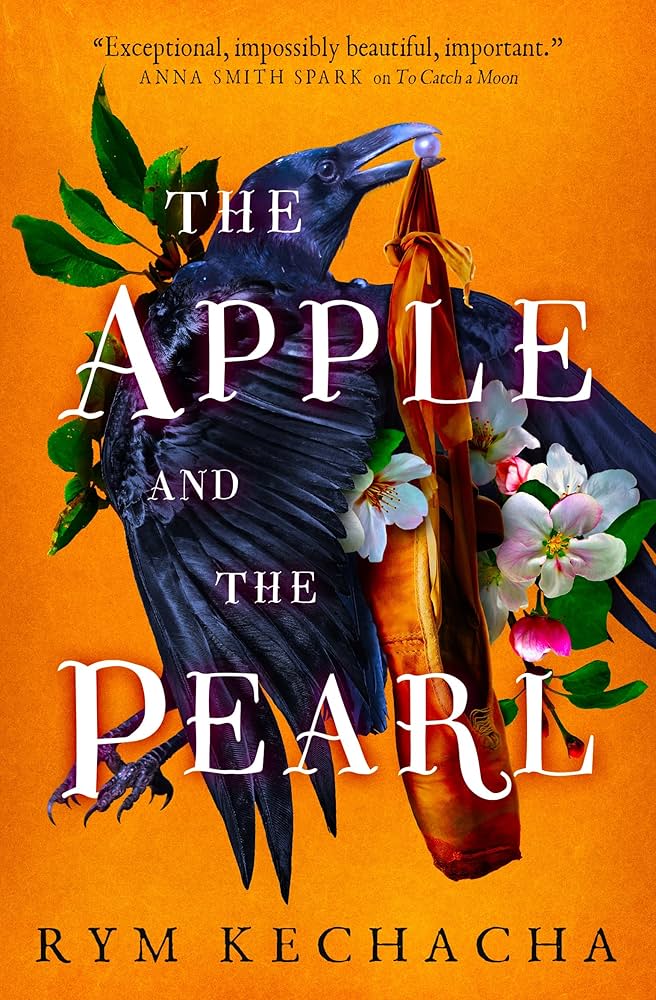
Finally, I can’t finish this post without mentioning two excellent books coming in 2026, both of which I was lucky to read early as ARCs. Rym Kechacha’s deeply compassionate and gorgeously strange The Apple and the Pearl follows a touring ballet company staging a show for a very unearthly audience, and is a beautiful ensemble portrait of what it means to live – and eventually have to leave – a life in performance.

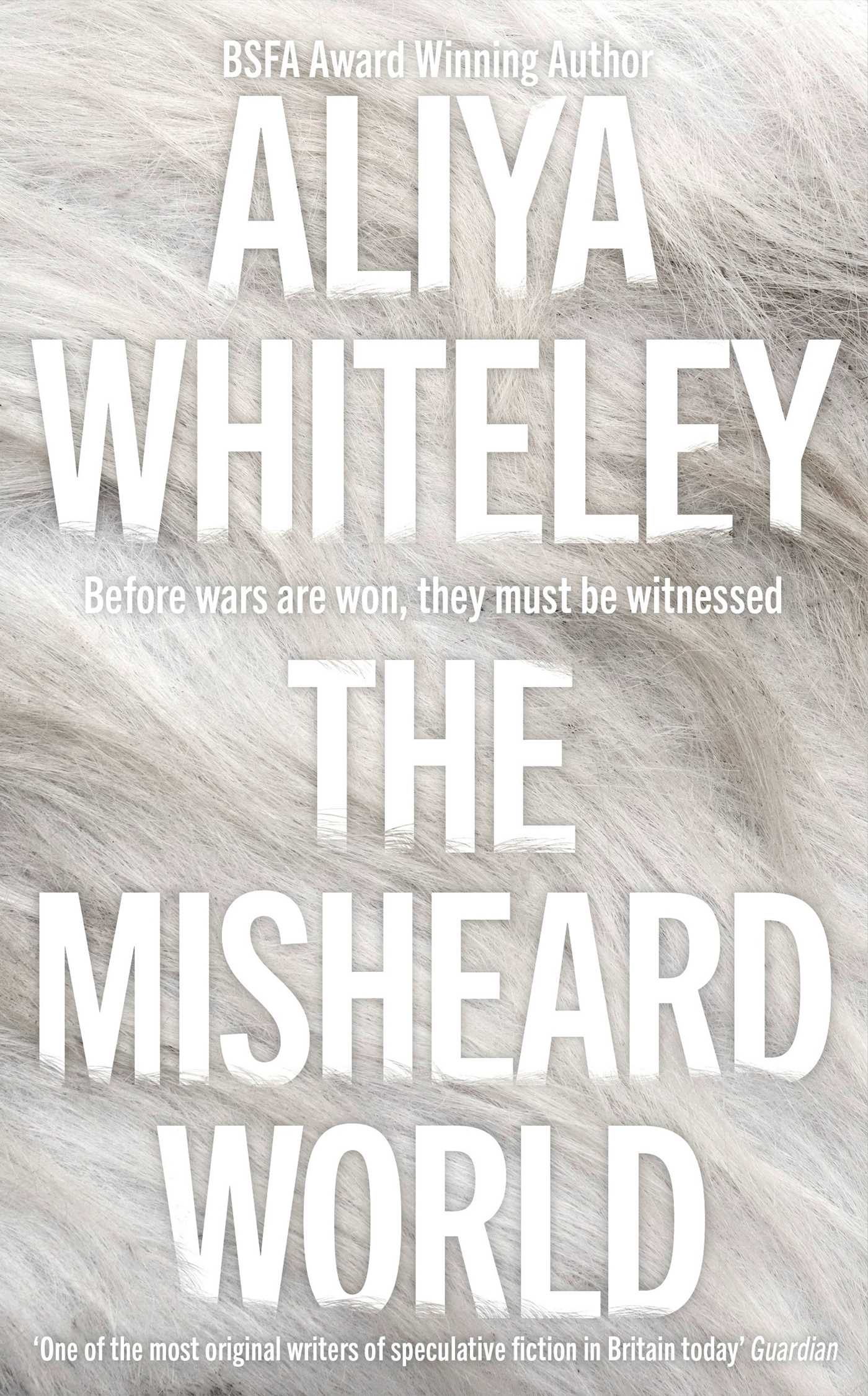
In The Misheard World, one of our most inventive writers Aliya Whiteley gives us a nation at war, a master spy, and a reminder of the peril of stories and those who tell them – and to say more would involve spoilers, but happily there’s not long to wait to get your hands on this.

With the shortest day now behind us in the northern hemisphere, and the light returning a little more each day, it definitely feels like the time of year to be browsing books – and of course, adding to the ever expanding to-read pile. So wherever and whatever you are reading, here’s to many happy and nourishing reading hours ahead in 2026.

When There Are Wolves Again is out today

When There Are Wolves Again is out today in the UK.

Hardcover edition of When There Are Wolves Again, cover featuring a wolf and branch/leaf/flower design, photographed against a garden backdrop

I’m proud and delighted and hugely grateful that it’s out in the world. The hardback edition is a truly beautiful object which has been produced with much love and care by my publisher, Arcadia. You can read some early reviews of the book on Fantasy Hive, Runalong the Shelves, A Reader of Else, and a deep dive on Strange Horizons. It was also a New Scientist and a Guardian SF pick for October 2025. 

I am all the happier the book is out there as for a while, I wasn’t sure if I’d get it over the line. 

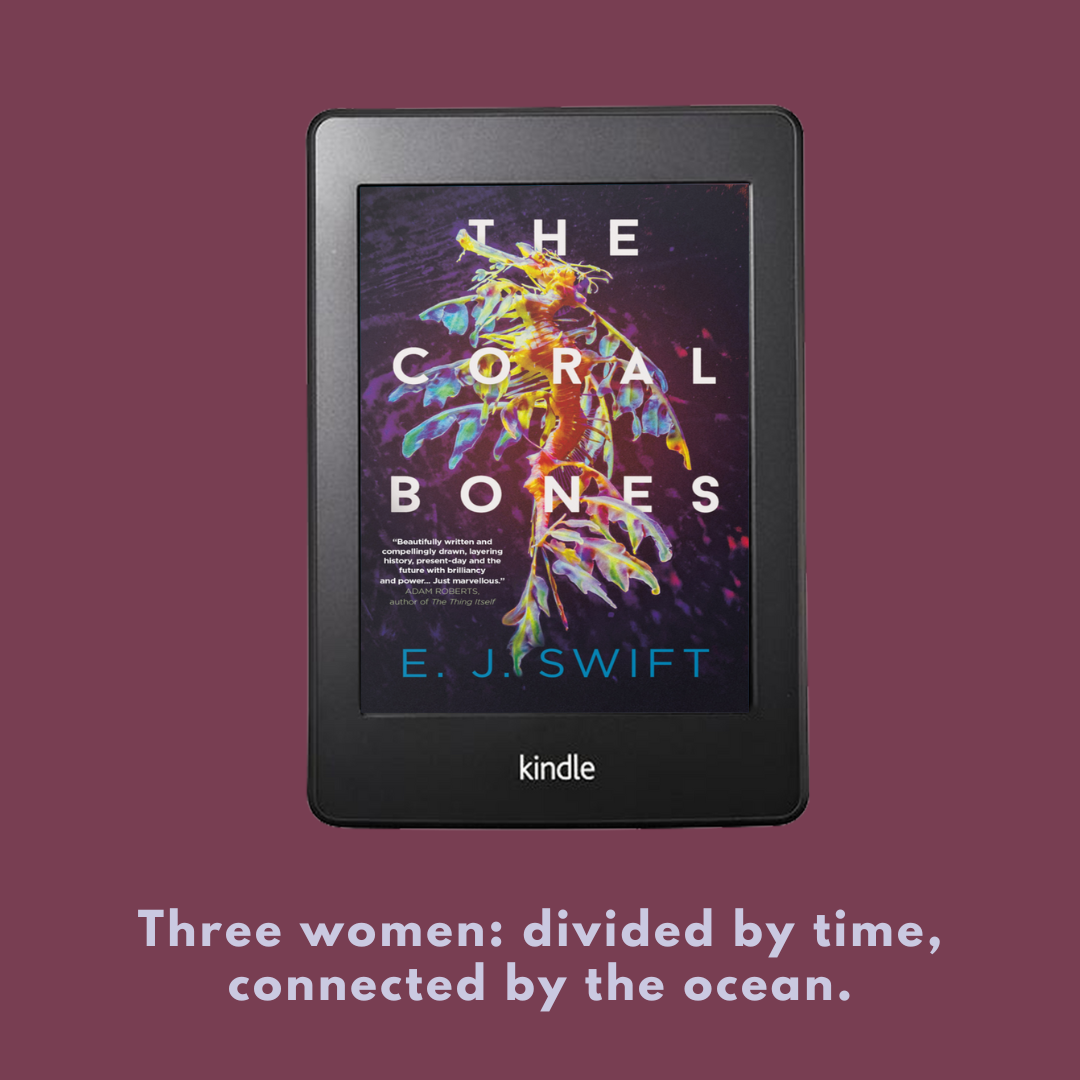
When the novel was contracted back in June 2023, I had little more than a few thousand words and a brief pitch, with fifteen months to deliver a polished manuscript around my day job. Despite the joy of having a contract, and knowing this book would definitely be published, I was in a place of very low confidence in my work. This might sound strange, given that my previous novel, The Coral Bones, had been the best received of my books to date, with good reviews and award nominations. But I had also spent two years on submission, trying to sell The Coral Bones, receiving rejection after rejection for what I believed to be a strong manuscript on a timely issue. As every writer knows, it’s the failures that linger with you, and I think that two-year window had a long tail. (I worked out recently I’ve spent around nine years of my professional writing life with books on submission; this is probably not an uncommon story. And I am one of the lucky ones – The Coral Bones did eventually find a home with Unsung Stories.)

Writing is a constant oscillation between belief and doubt. Both are necessary but I went into Wolves full of doubts, about the premise, about my ability to deliver on it. A good friend said to me recently, ‘You had to run at this novel’, and I think they were right. I ran at it. I worked almost every weekend of that fifteen months, made my deadline, and things were looking good for the planned publication. I was halfway through my copyedits early in 2025 when I received, out of the blue, a diagnosis of breast cancer.

My editor would have moved the publication date in an instant if I had wanted, but after all the work to get the book in on time, the thought of it being delayed was heartbreaking. Instead, we worked together to get it through production. The book took on another role, became something for me to aim for: a beacon of hope at a tumultuous time.

I worked through my page proofs, at the pace of a snail, around surgeries. The proof copy of the book arrived the day after my second operation was cancelled, at five pm outside the operating theatre, due to complications with an earlier patient (who fortunately was okay). In my last week of radiotherapy, I heard that Kim Stanley Robinson, whose work I have been in awe of for many years, had sent a blurb for the novel. So, in the way that narratives can sometimes help us chart a path through stormy seas, the journey of When There Are Wolves Again has become strangely and inextricably interwoven with this interlude of my life, which has often felt like inhabiting an alternate reality.

I am fortunate to now be in remission, and very much hope that will be the end of this particular story. I’m eternally grateful to the multitude of NHS staff who have got me through my treatment, for their many kindnesses, and the friends and family who have looked after me and shown such love and compassion. And if you, or a loved one, are going through something similar, I wish all strength to you.

So to everyone who has bought a copy of this book, given an endorsement, reviewed an ARC, and helped spread the word: thank you, so much, for giving When There Are Wolves Again the gift of your time. It really means a lot.

As for the book itself… I thought I would share a few words I wrote earlier this year, when proof copies were making their way to the first readers.

Perhaps you, like me, have spent nights unable to sleep, worrying about the future. Not only for your loved ones, but for all the glorious, madcap, more-than-human world to which we belong.

Perhaps you have children or grandchildren, or friends who do, and you wonder how much of that wondrous world will be left by the time they’ve grown up.

Perhaps you’ve sometimes wanted to howl at the moon.

If any of this resonates, this book is for you.

These thoughts were on my mind when I first started thinking about rewilding, and access to nature, and the species who once shared our UK landscapes: the lynx and the bears, the beavers, the wolves, and so many more who are lesser known. I’d written about climate breakdown before, with The Coral Bones, and I’d tried to show how we got here and where we might end up if no action is taken. That future was hard to write, but all too easy to imagine.

Turns out it’s so much harder to imagine a future with hope.

Especially when it feels like our beautiful planet has never seemed so breakable or so under siege. But that’s what I wanted to do with Wolves, to imagine one possible way forward, through the many challenges to come that we know are baked in. I wanted to think about what might happen if action was taken. What might be gained, as well as what could be lost. And of course, about the human and non-human animals who might get caught up in that journey along the way.

My character Lucy is five years old when the novel opens, full of curiosity and joy for life. Hester, a filmmaker, is thirty-five, uncertain where she’s ended up, or how to reconcile her past. I wanted to know where their stories led. So I kept writing. 

I kept running.

In the novel, Hester observes how light transforms all that it touches. I hope this novel brings you a little piece of light.

When There Are Wolves Again – cover reveal!

I’m absolutely delighted to share the cover for my new novel, WHEN THERE ARE WOLVES AGAIN, publishing in October 2025 with Arcadia.

Cover designer Jack Smyth has created this stunningly beautiful artwork, which perfectly captures the novel’s themes of connectivity and hope for new beginnings – I couldn’t be happier with it.

My huge thanks also to Matt at Runalong The Shelves who has generously hosted the cover reveal.

Cover artwork for When There Are Wolves Again by Jack Smyth

If you’d like to pre-order a copy, you can do so via WaterstonesAmazon.co.uk or your favourite independent bookshop.

Favourite reads in 2024

Much of 2024 has been a flurry of work to deliver my new novel, When There Are Wolves Again, and consequentially my top reads of the year feels a little shorter than usual. Nevertheless, I loved and would very much recommend all of the below.

My standout read was Naomi Klein’s Doppelganger. From documenting the author’s growing obsession over her frequent misidentification as ‘Other Naomi’ (Naomi Wolf), Doppelganger becomes a gripping exploration of what Klein comes to call the Mirror World, the smoke and mirror conspiracies of the ultra-right, and the polarisation of online discourse and politics. It is hard to think of another writer who articulates so clearly and compellingly the realities of this strange, dichotomous, broken world of late stage capitalism we occupy – but through truly looking, and seeing the things we would prefer to unsee, Klein suggests there is hope for a collective way forward.

I came late to discovering Carmen Maria Machado’s short story collection, Her Body & Other Parties, but what a marvellous discovery it was. Centring womanhood and queer experience, Machado effortlessly blends elements of science fiction, magical realism, crime, the weird and the surreal. Every story is exquisitely written and crafted. I particularly loved Inventory, a pandemic tale, the stages of societal collapse glimpsed through the lens of the narrator’s many lovers as the world slowly falls apart – proof of just how much you can convey in a few short pages.

Emilie Pine’s Notes to Self is an intensely personal collection of essays, meditating on episodes of Pine’s life as a daughter, a lecturer, a writer, the possibility of becoming a mother and the heartache of having to let some dreams go, and the challenges and prejudices faced as a woman within each of these spheres. The writing is fierce and brave and confronting and heartfelt, truly from the gut and one that I know will stay with me.

I hugely enjoyed Rachel Kushner’s Creation Lake, a fusion of cynical undercover agent working to expose a group of eco-activists in southern France, alongside the musings of a cave recluse who believes the path to enlightenment lies in a new understanding of Neanderthal society. Kushner’s deft handling of philosophical meditations on the origins of humanity, to spy thriller, to the power of stories, and her ability to switch seamlessly between pathos and farce, made this an absolute treat.

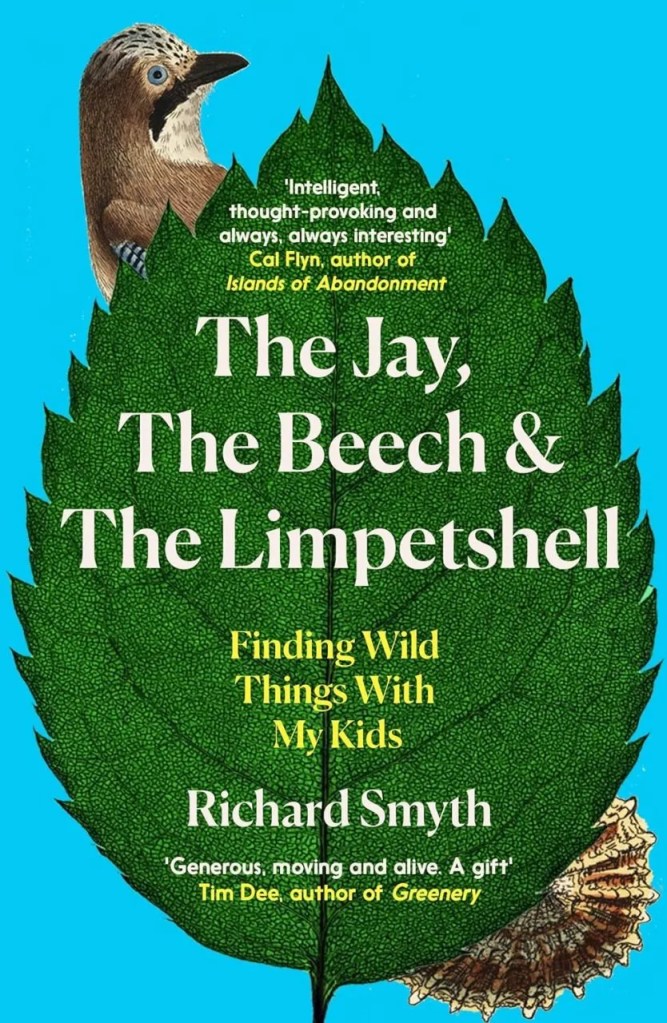
The Jay, The Beech, and The Limpetshell by Richard Smyth was another delight. Through a series of treasures discovered alongside his young children, Smyth charts his appreciation and love for the natural world in all its glory, wonder, eccentricity, and downright weirdness. This was a fresh, charming and highly relatable perspective from a writer who has always been drawn to nature and finds new resonance in the more-than-human world through his hopes for the next generation.


As for my own writing – it’s been an intense twelve months to complete When There Are Wolves Again, which I delivered in the autumn. Along with the editorial process has come the joy of getting to geek out over birds with my brilliant editor, Anne Perry. I have copy-edits to complete in the new year, and Wolves is due to be published in October 2025.

Although there are no connections in terms of characters or story, I’ve come to think of this book as a companion novel to my last. The Coral Bones looks forward to how our world might look if urgent action is not taken on climate breakdown, whilst Wolves spans half a century in which real change begins. You can pre-order now through WaterstonesAmazon.co.uk and independent bookshops.


When There Are Wolves Again 

Decades from now, two women sit around a fire on Beltane, May Eve, and reflect on their life stories.

Activist Lucy’s earliest memories are of living with her grandparents during the 2020 pandemic, and discovering her grandmother’s love of birds. Filmmaker Hester, born on the day of the Chornobyl explosion, visits the plant in 2021 to film its feral dog population, and encounters the wilded Exclusion Zone – and a wolf-dog.

Over half a century, their journeys take them from London to Balmoral to Somerset, through protests, family rifts, and personal tragedy. Lucy’s path leads to the fight to restore Britain’s depleted natural habitats and bring back the species who once shared the island, whilst Hester strives to give a voice to those who cannot speak for themselves. Both dream of a time when there are wolves again.


Happy new year everyone, and wishing you many happy hours of reading in 2025.

Favourite reads in 2023

Each year for the past few years, I’ve hoped to return to my pre-pandemic reading levels. It hasn’t happened this year, and it’s probably time to accept I’m unlikely to do so any time soon. There are many factors, but one contributor is simply that I’m reading substantially more non-fiction for research, and I read non-fiction much slower. And that’s okay – it will encourage me to choose my fiction with even more care. So on that front, here are the books that have stayed with me from this year:

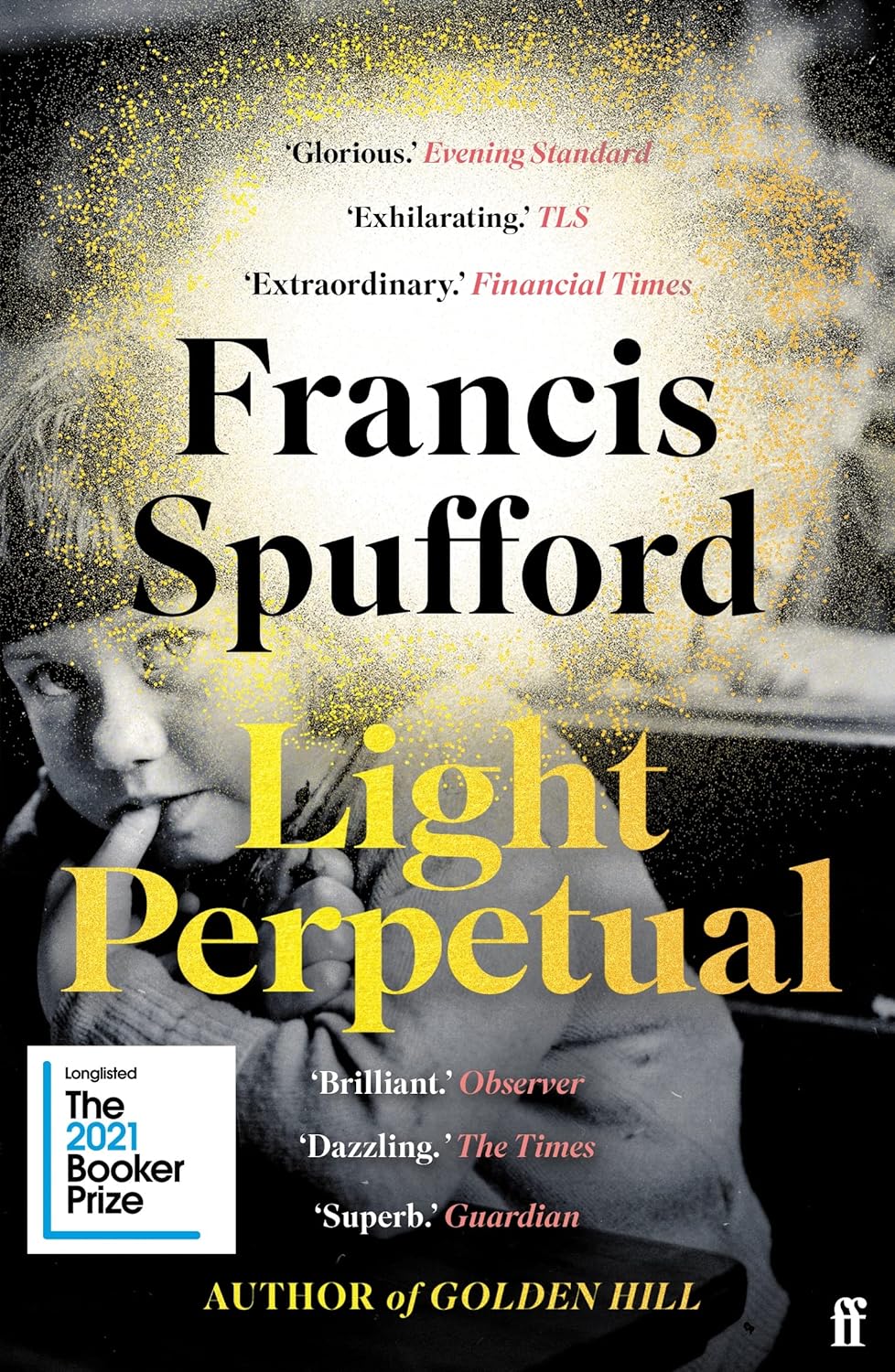
Light Perpetual – Francis Spufford (2021)

In one of the most outstanding opening sequences I’ve ever read, a bomb detonates during the second world war in a fictional south London borough, instantaneously wiping out a classroom of children. The novel goes on to extrapolate what the lives of five of these children would have looked like, straddling decades of social and political change with flawless prose and deep humanity.

How High We Go In The Dark – Sequoia Nagamatsu (2022)

Nagamatsu’s novel opens with a Siberian plague, and the proximity of its publication date to Covid-19 inevitably placed it in the ‘pandemic novel’ category. However the novel’s remit is much broader, exploring the attitudes, behaviours and rituals around how we approach and deal with death, as individuals and as societies. From euthanasia theme parks to talking pigs, it’s a whirlwind of imagination and I love the confidence which with these scenarios are presented, without over-explanation, simply asking the reader to go with it and enjoy the ride.

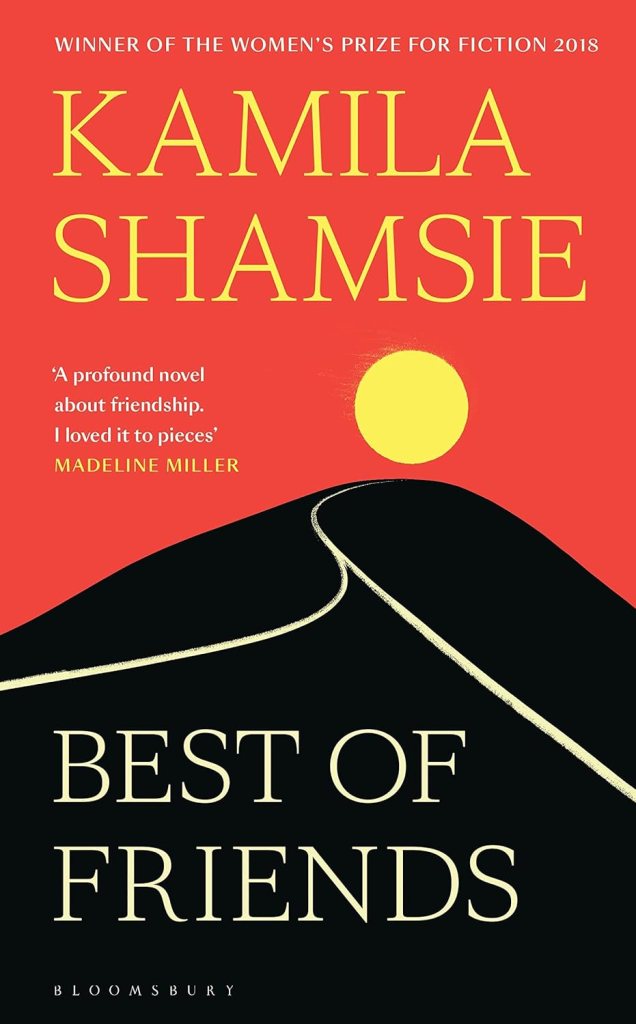
Best of Friends – Kamila Shamsie (2022)

Kamila Shamsie has always stood out for me as a writer who is exceptionally good with character, and her most recent novel is no exception. We meet Zahra and Maryam as teenagers in Karachi, where they experience an incident which will haunt them for decades to come – as they move to London and as their lives, values and careers move further apart. An intimate exploration of friendship over time, as well as an unflinching examination of the darker side of UK politics.

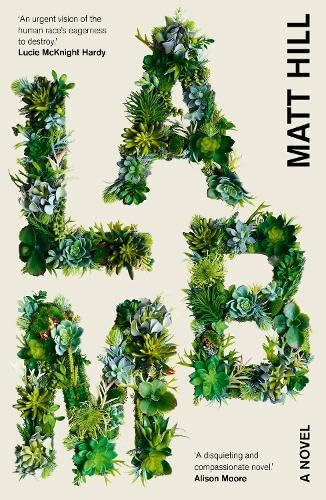
Lamb – Matt Hill (2023)

Similarly unflinching in its portrayal of austerity Britain is Matt Hill’s Lamb. Suffused with eerie descriptions and surreal imagery, Lamb sits closer to the horror end of the science fiction spectrum than I usually read, but Hill’s superb writing and immersive world-building held me spellbound throughout. The novel has the relationship between parents and children very much at its heart – examining the ties that hold us together and the sometimes brutal cost of that love. This book will stick with you.

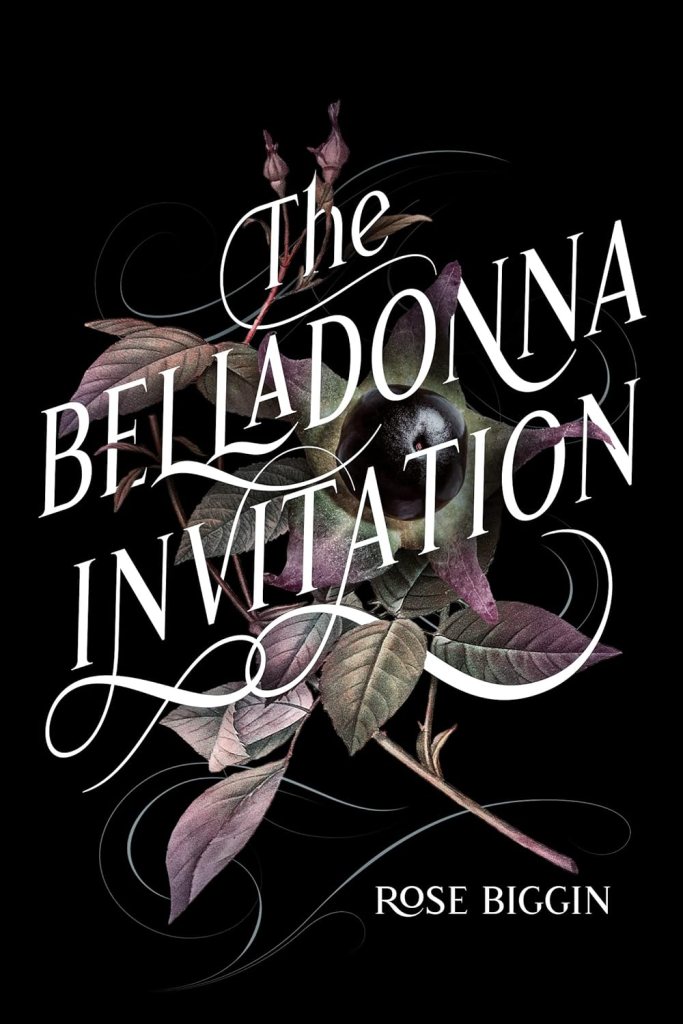
The Belladonna Invitation – Rose Biggin (2023)

Rose Biggin’s marvellous depiction of fin de siècle Paris is packed with theatrical audacity and lush description. Revolving around a notorious poison salon, the novel follows the dynamic between two women, mysterious to each other and to the reader, in a subversive exploration of power, ambition and desire. Belladonna is a glorious read that leaves you wondering how much you can ever really know someone.

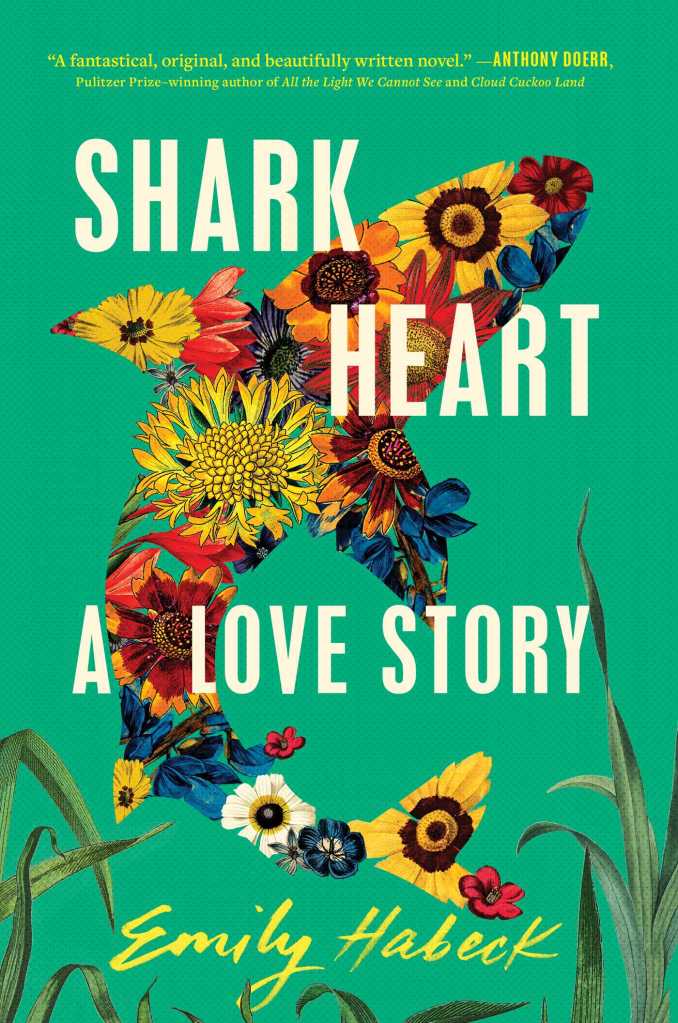
Shark Heart – Emily Habeck (2023)

A few weeks after young lovers Wren and Lewis marry, Lewis receives a terminal diagnosis – his memories and consciousness will remain (mostly) intact, but he will transform slowly into the body of a great white shark. This was another speculative read where I hugely admired the confidence and deceptive simplicity with which this scenario is presented to the reader. Also setting it apart, and with a wonderfully deft touch, was the use of theatre script to tell some sections of the story (as befits Lewis’s background as an actor). A beautiful and wonderfully unexpected read that might just break your heart.

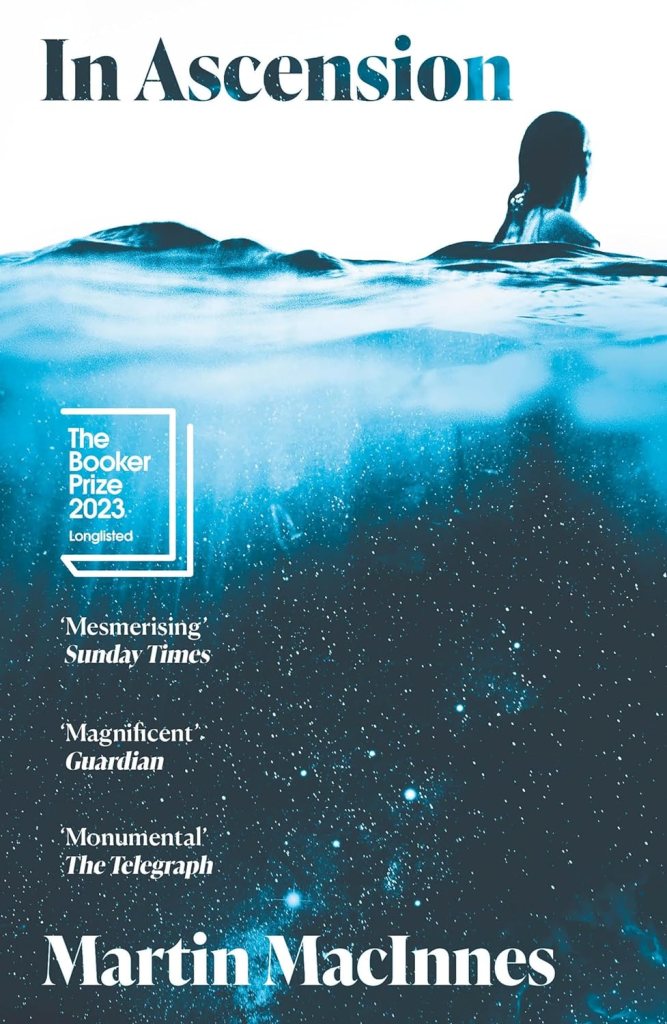
In Ascension – Martin MacInnes (2023)

My year’s reading was bookended by two novels set in space and with common themes, one long and the other short. I read In Ascension whilst on holiday and am very glad I did as it is a novel that demands and perhaps requires full immersion. Told primarily through the perspective of biologist Leigh, who has always been drawn to the ocean, the novel takes the reader from the deepest ocean vents to distant space and the possibility of first contact, in a profound and moving exploration of the connectivity of all living things and the fragility of the one planet we call home. An extraordinary book.

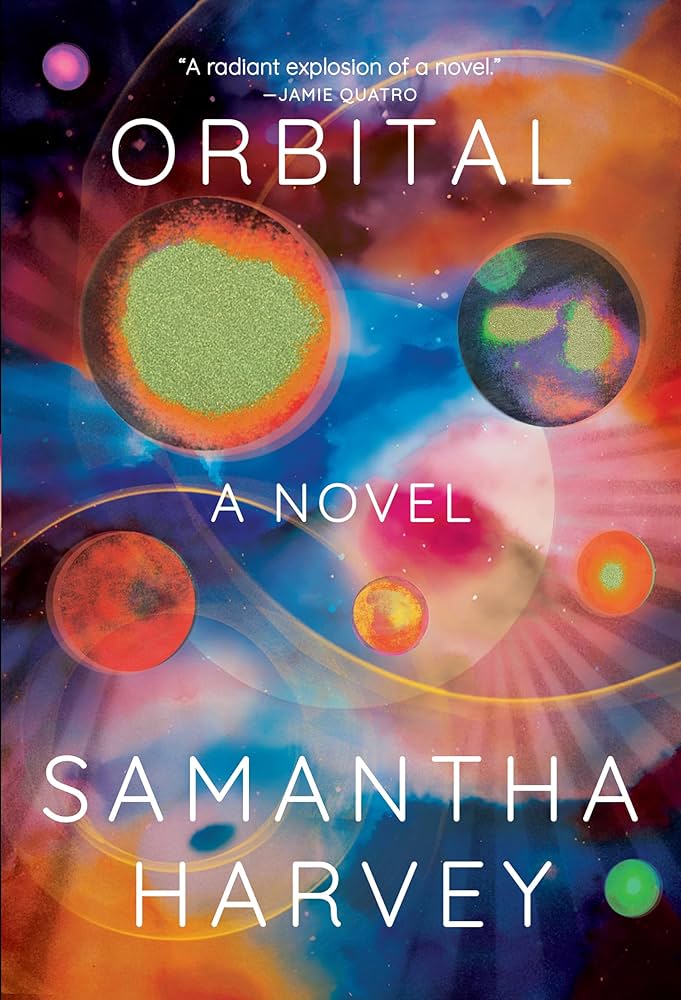
Orbital – Samantha Harvey (2023)

The book I was most looking forward to this year, and it did not disappoint. I’ve loved Samantha Harvey’s writing ever since discovering Dear Thief. This slim volume, tracking 24 hours in the company of six astronauts on the international space station, contains worlds within its exquisitely crafted, beautiful prose. Seen from above, there are no borders on planet Earth, but look long enough and the cracks begin to show. As with In Ascension, this is a novel that pays homage to the beauty of our planet whilst exposing its fragility and the toll of human dominance.

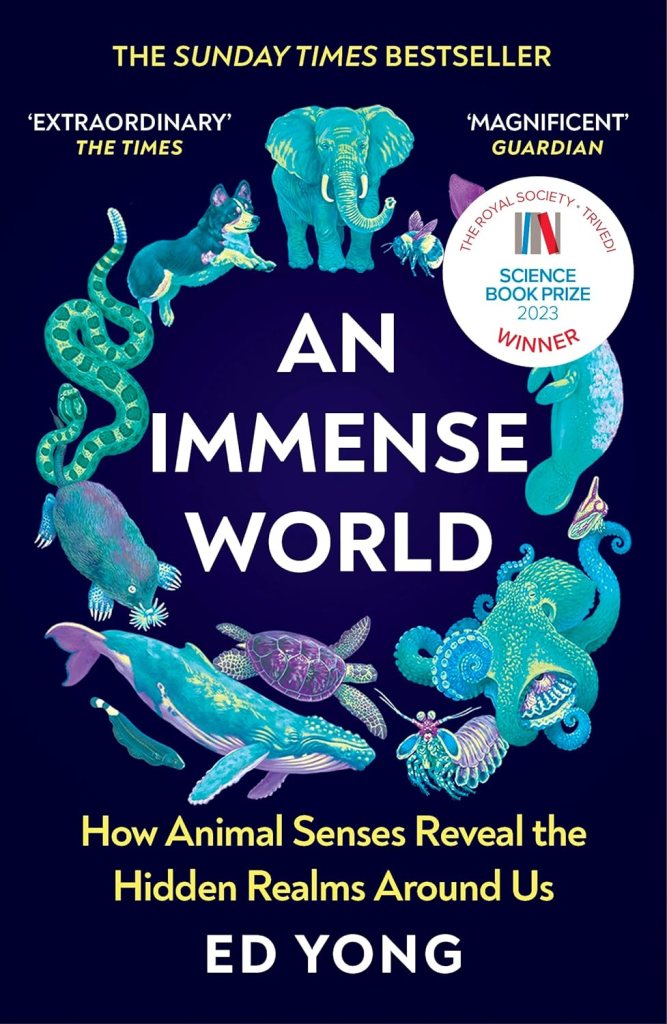
An Immense World – Ed Yong (2022)

An Immense World explores the extraordinary diversity and complexity of the sensory world as experienced by a selection of non-human animals. I read this book slowly, over several months, for research, but I wanted to include it here as the contents are so transformative in how we perceive the world, how we might begin to rethink our commonalities and differences with other beings, how we relate to those we share the planet with, what we are still to understand and what we can never truly know. A genuinely awe-inspiring read.

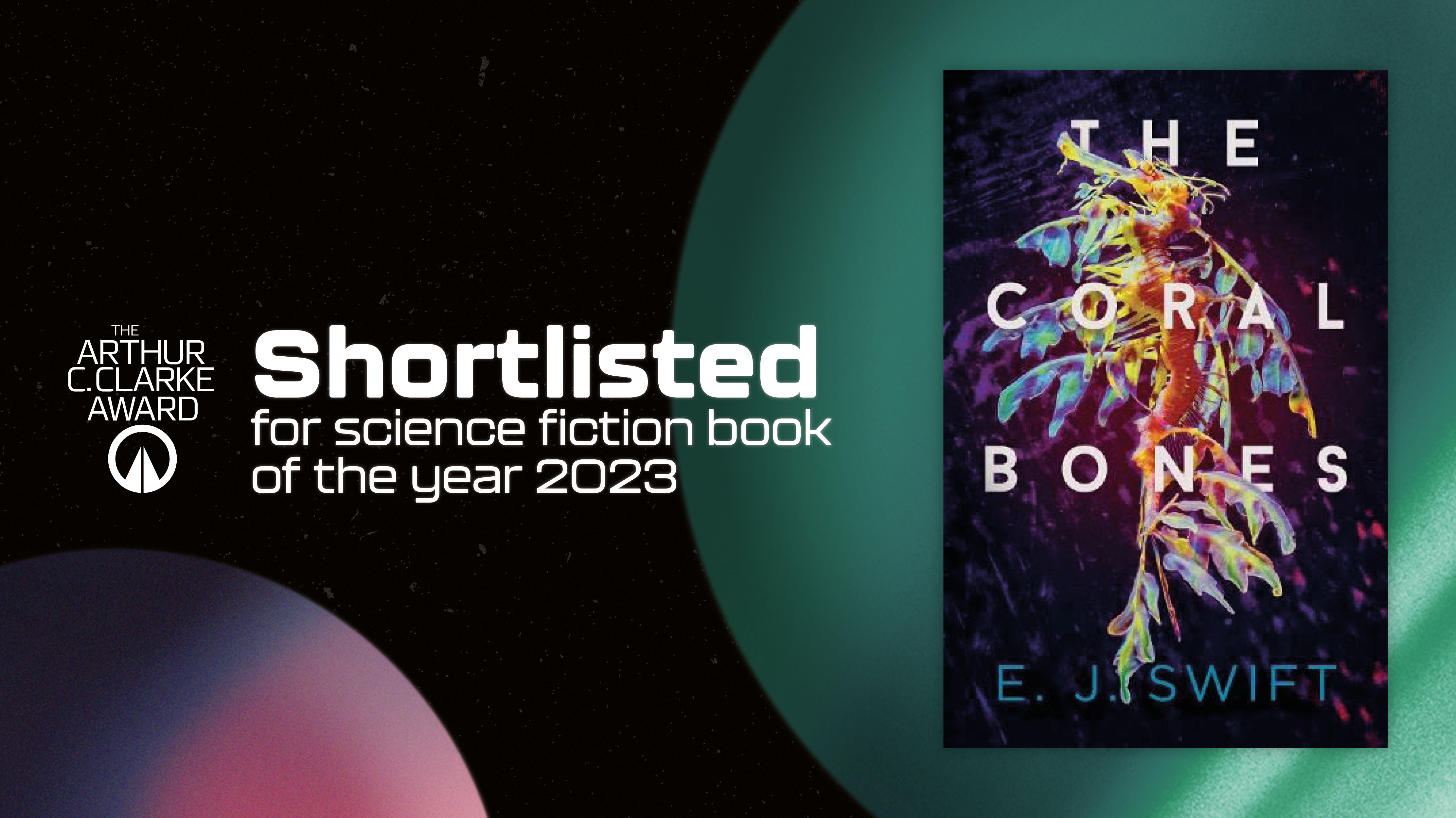
On the writing front, it has been a big year for me. The Coral Bones was shortlisted for the BSFA Award for Best Novel, the Kitschies Red Tentacle for Best Novel, and the Arthur C. Clarke Award for science fiction book of the year. Amidst this wonderful news, my brilliant publisher Unsung Stories announced they would be closing down. I’ve been very lucky to find a new home for The Coral Bones with Jo Fletcher Books – the ebook is available now and the paperback edition from 4 January. I’m now halfway through a first draft of my new novel, The End Where We Begin, and the first half of 2024 will be very much focussed on finishing this draft.

A huge thank you to everyone who has supported The Coral Bones this year. I can’t say how much it means. And whatever you are reading or writing in 2024, I hope the words bring you inspiration, solace and joy. 

Jo Fletcher Books to publish THE CORAL BONES and new novel THE END WHERE WE BEGIN

I’m thrilled to share that Jo Fletcher Books has acquired World rights for THE CORAL BONES and a new novel, THE END WHERE WE BEGIN.

Following the closure of Unsung Stories this summer, Jo Fletcher Books will be republishing THE CORAL BONESfirst in ebook and then in paperback. My next novel will publish in 2025.

I can’t say too much about THE END WHERE WE BEGIN just yet – I’m working hard on the manuscript right now – but to give an idea, the novel follows two women from the present day five decades into the future, as they work to document and fight for the recovery and rewilding of devastated landscapes.

To all the readers who have been kind enough to share thoughts, reviews or recommendations for THE CORAL BONES, I am so grateful for your support. I feel immensely lucky that the book has this chance to find a new readership and build on the fantastic work done by Unsung Stories. Publishing Director Anne Perry has been hugely supportive of my work over the years; she is a phenomenal editor and I couldn’t have found a better home for my work. I’m looking forward to the journey together.

THE CORAL BONES is available in ebook from 1 October and will publish in paperback on 4 January, 2024. THE END WHERE WE BEGIN will publish in 2025.

THE CORAL BONES shortlisted for the Clarke Award

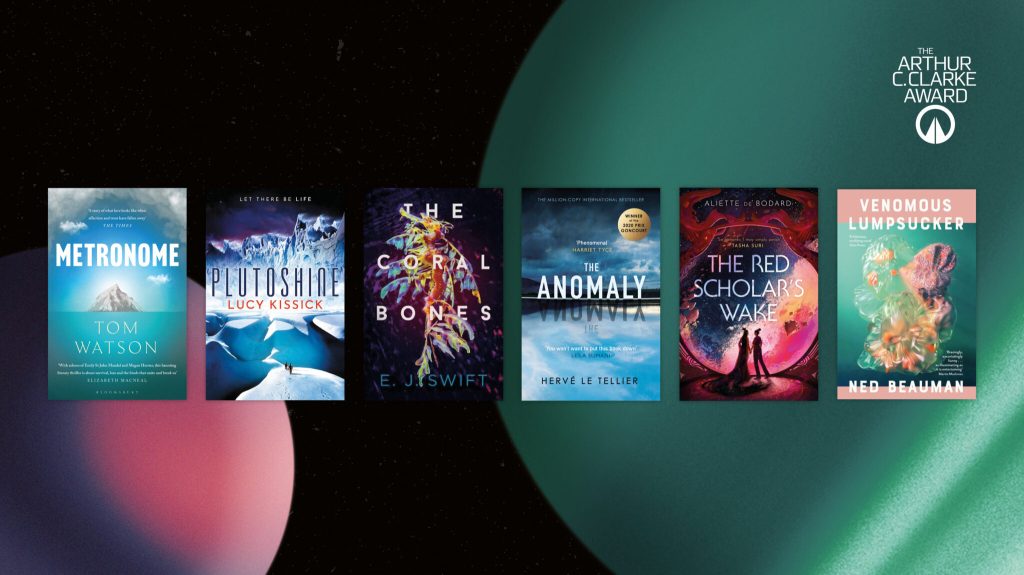
I’m over the moon to share that THE CORAL BONES has been shortlisted for the 2023 Arthur C. Clarke Award. The Clarke Award is given for the best science fiction novel first published in the United Kingdom during the previous year. It’s such an immense honour to be shortlisted for this award and needless to say THE CORAL BONES is in amazing company.

The 2023 shortlist is:

VENOMOUS LUMPSUCKER by Ned Beauman (Sceptre)

THE RED SCHOLAR’S WAKE by Aliette de Bodard (Gollancz)

PLUTOSHINE by Lucy Kissick (Gollancz)

THE ANOMALY by Hervé Le Tellier, translated by Adriana Hunter (Michael Joseph)

THE CORAL BONES by E. J. Swift (Unsung Stories)

METRONOME by Tom Watson (Bloomsbury)

The award winner will be announced on 16 August and you can read the full shortlist announcement here.

Unsung, Kitschies and MCM Comic Con

Publishing can sometimes feel like the slowest moving thing in the world, but occasionally things happen at pace.

A few weeks ago, my brilliant publisher for The Coral Bones, Unsung Stories, announced the heartbreaking news that they will be closing down. If you haven’t yet seen George Sandison’s post about why, please do take a look – it has so much to say about the extraordinary challenges of running a small press, and it’s testament to the dedication and passion of George, Dan, Vince and Laura that Unsung has continued for as long as it has. I will be forever grateful to them for giving The Coral Bones a home and a chance to find readers.

There is currently a sale for all the titles on Unsung’s list, including The Coral Bones, and you can still support our books until Unsung wraps up later this summer.

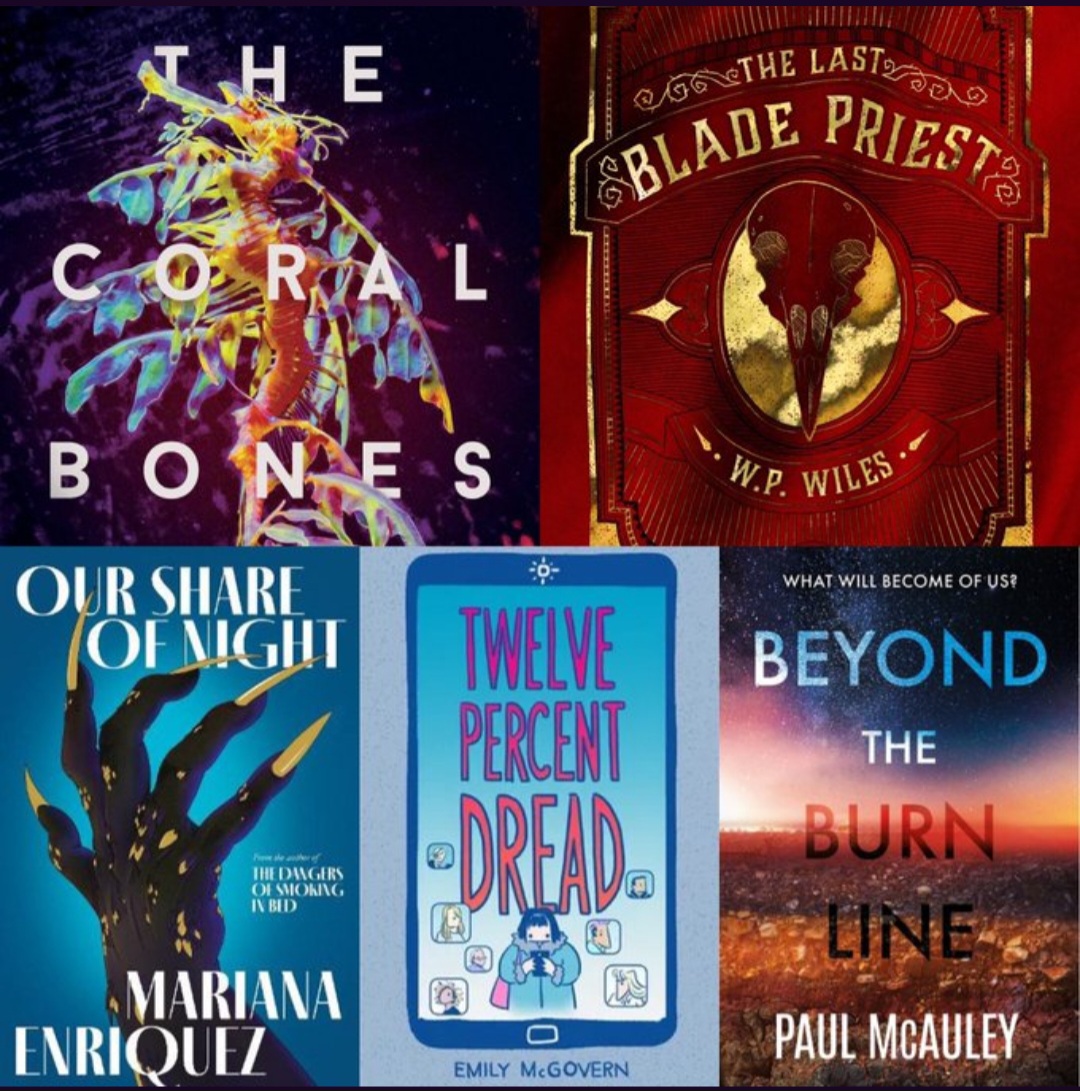
Without Unsung, I would not have been seeing the incredible news just a couple of weeks later that The Coral Bones has been shortlisted for The Kitschies Red Tentacle. This is such a huge honour – I have followed the Kitschies Awards avidly over the years and exploring their lists is always a source of great delight and discovery. To be among such company is a real privilege.

The Kitschies winners will be announced on 24 June at a ceremony as part of Bradford Literature Festival.

The Kitschies Red Tentacle finalists 2023

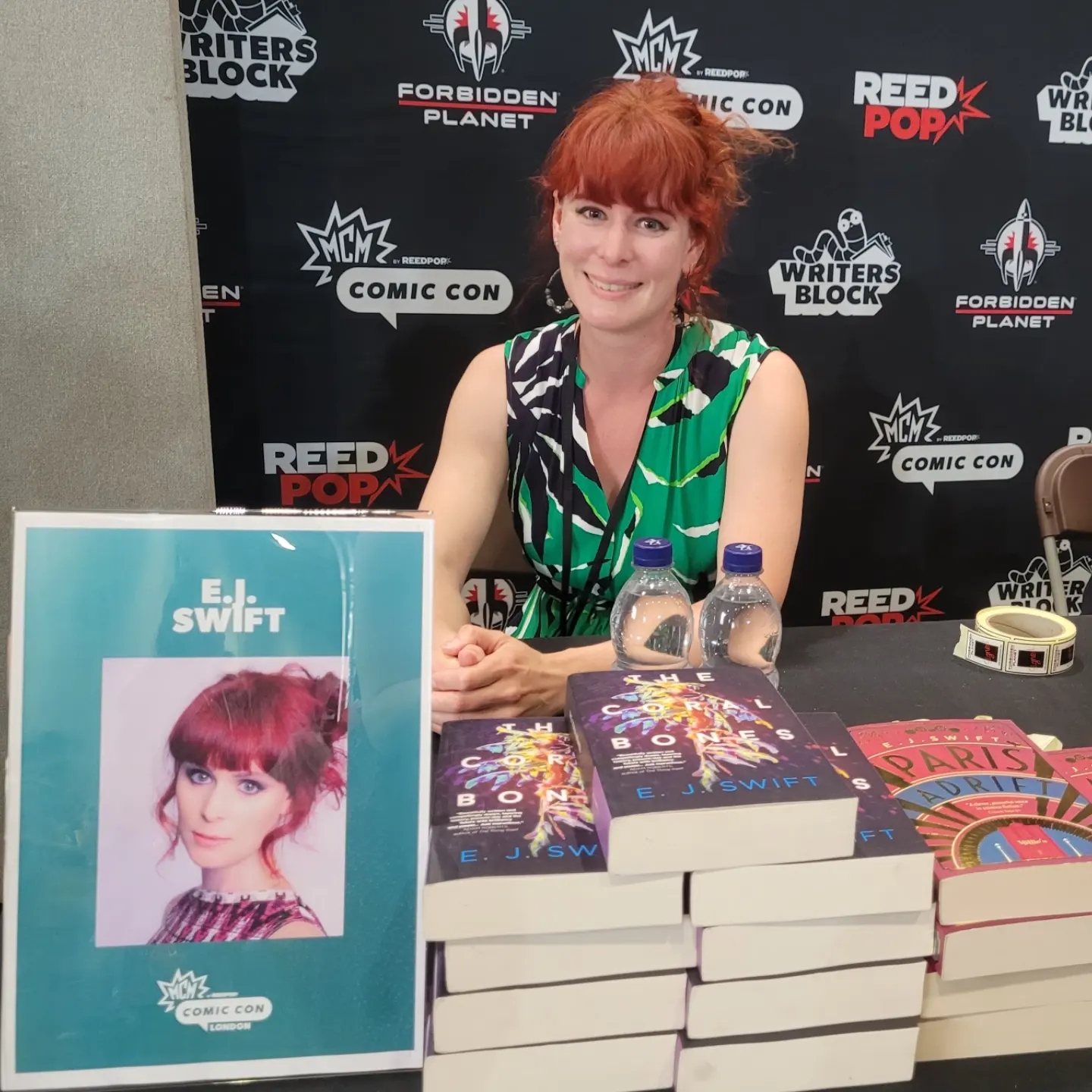
Finally, it was a delight to attend my second MCM Comic Con in London this weekend. Huge thanks to fellow authors Temi Oh, Nicholas Binge, and Kate Dylan for a great discussion on the Dystopian Worlds panel, and thank you as ever to the brilliant team at Forbidden Planet for looking after us at the signing afterwards.

THE CORAL BONES shortlisted for BSFA Best Novel Award

I’m over the moon to share the news that THE CORAL BONES has been shortlisted for a British Science Fiction Association (BSFA) award for Best Novel. It’s a huge honour and I’m immensely grateful to everyone who has voted for the book from such a fantastic longlist (do check it out for some great recommendations across fiction, non-fiction and artwork). 

The shortlists will be voted on by BSFA members and the British Annual Science Fiction Convention (Eastercon). The winners will be announced during Conversation, this year’s Eastercon, to be held April 7-10, 2023 at the Birmingham NEC Hilton.

You can find the full BSFA shortlists here. Needless to say, THE CORAL BONES is among great company!

Favourite reads in 2022

Reviewing my 2022 reading, I found I’ve read fewer books this year than in almost a decade, in part due to general life events occupying time and headspace, but partly, I suspect, because I’m still struggling to recover my pre-pandemic levels of focus. So many things fractured in 2020, and it feels as though those ripples are continuing to work their way outwards in ways we are still at the edge of comprehending. When I consider the books that stood out for me this year, they are in different forms, but perhaps unsurprisingly, exploring themes of breakage and connectivity.

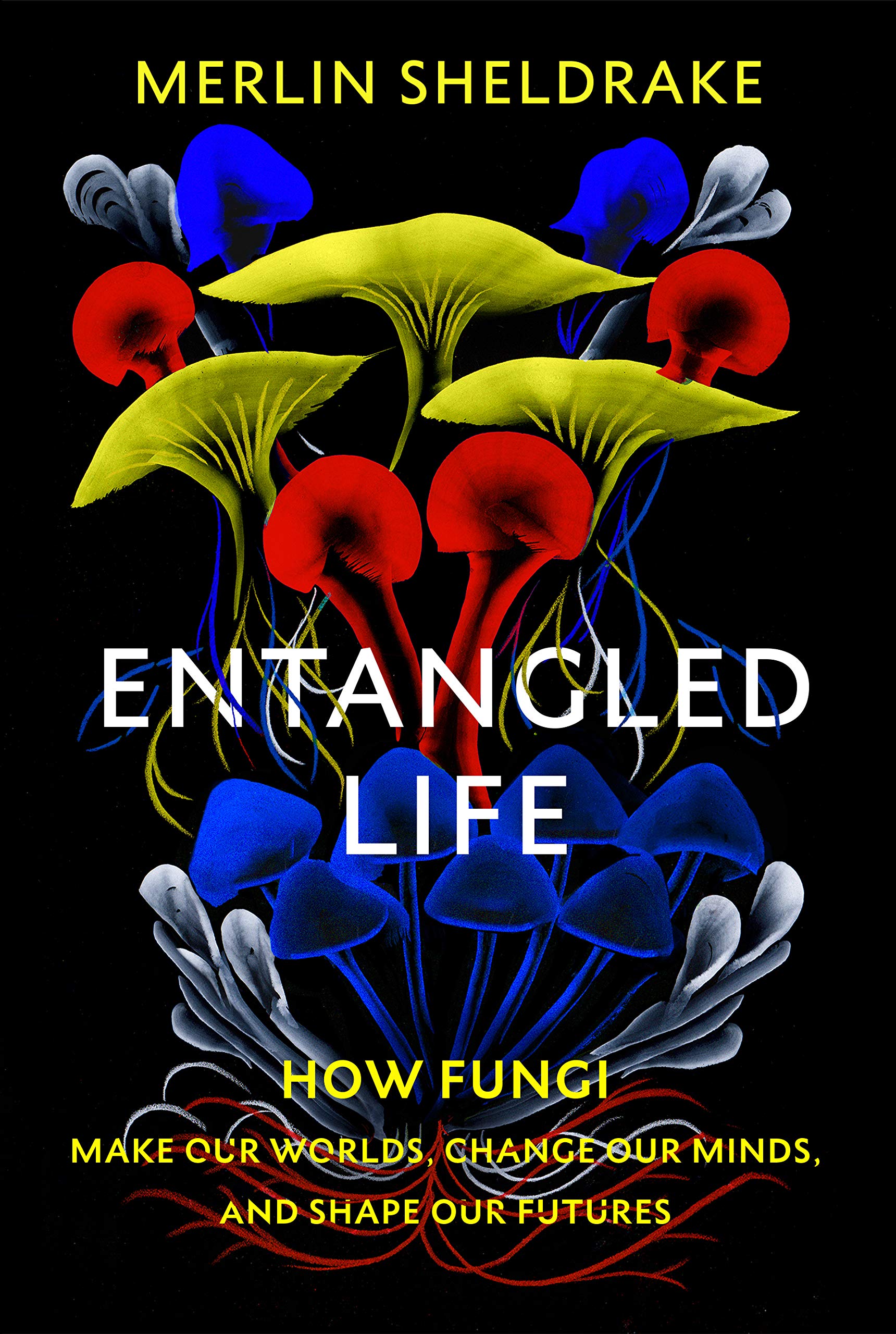
I began the year diving into the mycelial world with Entangled Life by Merlin Sheldrake (2020). This is wonderfully engaging non-fiction, and an important book in nature writing, shining a light on a living dimension of our shared world which is little known, under-researched, and which we are barely beginning to understand. It is also one which has the potential to radically reshape ideas from how we make pharmaceutical drugs and package our goods, to philosophies of identity and selfhood.

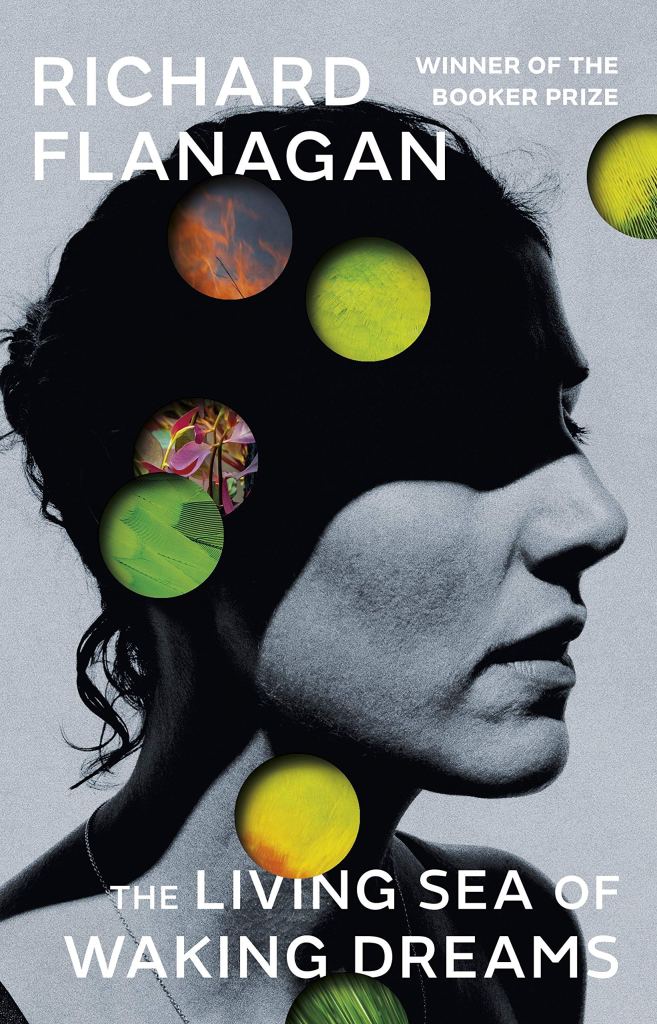
The Living Sea of Waking Dreams by Richard Flanagan (2021) was a searing read, brutal and beautiful in equal measure, Flanagan’s prose like a burning torch. The novel explores our relationships with each other and with the more-than-human world, using allegory to depict the biodiversity crisis and sixth mass extinction. At its centre, in the relationship between Anna and her mother Francie, is the terrible proximity of cruelty and love. 

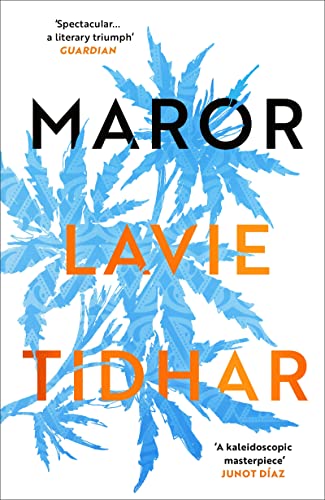
Maror by Lavie Tidhar (2022) was an epic ride spanning multiple continents and four decades of Israeli history. Tidhar’s superb skills as a short fiction writer are clearly in evidence as the novel dares you to invest in its large cast of sometimes recurring, perpetually imperilled characters, whilst the enigmatic detective Cohen is a constant, menacing presence at the centre. There are shades of Roberto Bolaño and James Ellroy in this masterful fragmented narrative about ideology, politics, power, and corruption.

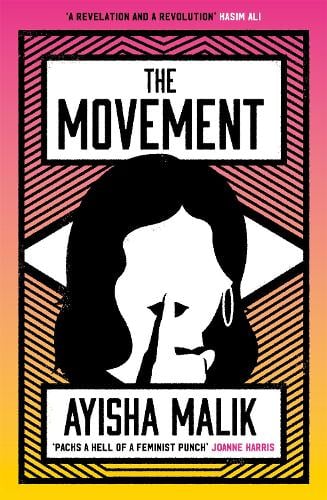
The Movement by Ayisha Malik (2022) stood out for the care, nuance, and complexity with which its characters are drawn, exploring with devastating wit and panache how we (often fail to) navigate societal networks which are at once increasingly intersecting and polarised, both online and in person. It’s not often I come across a novel that makes me laugh as much as it makes me think. After finishing, I immediately looked up Malik’s earlier novels and thoroughly enjoyed This Green and Pleasant Land towards the end of the year.

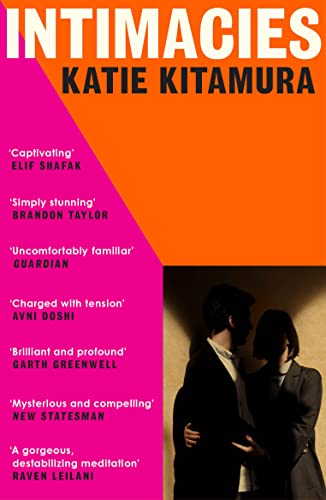
Early in the year I read and admired Katie Kitamura’s The Separation, but it was her most recent novel Intimacies (2021), read in the autumn, which has really stayed with me. The personal and political collide in this deceptively slim and sparely written novel about an interpreter working in The Hague’s international criminal court. Kitamura is a master in what remains unspoken, shimmering between the lines, exploring the limitations of language and narrative to make sense of our world. 

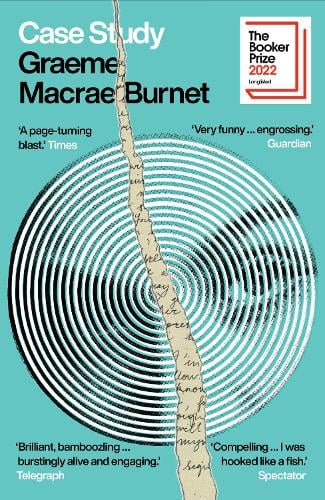
Case Study by Graeme Macrae Burnet (2021) was a hugely entertaining read. Set in the 1960s and presented as a mixture of diary and biography, the novel follows a young woman who believes that a notorious psychiatrist, Collins Braithwaite, is responsible for her sister’s suicide. Exploring shifting identities and the nature – and societal constructions – of sanity, the novel is at once darkly comedic and increasingly unsettling, before offering a final, delicious twist at the close.

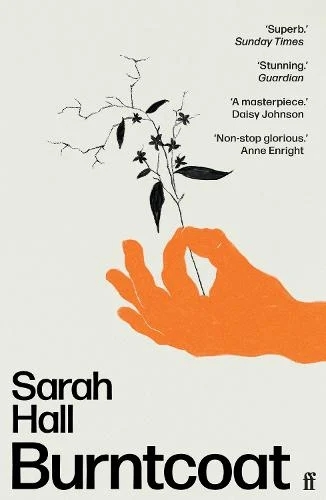
I spent the final days of the year immersed in Sarah Hall’s Burntcoat (2021). Hall is one of my favourite writers and this fierce, sensual, poetic novel about love, art, intimacy, grief and the intensity of lockdown is quite simply a stunning piece of work. As ever, I can’t wait to see what Hall writes next.

On the writing side, in September 2022 I published my fifth novel The Coral Bones with Unsung Stories, a book I had been working on since 2016. I’m hugely grateful to the readers, reviewers and writers who have engaged with the book and been kind enough to share their thoughts. I go into the new year with the inkling of a new project, hoping to be directing more time, headspace and energy to both reading and writing.

Here’s to the new year and the lightening days – wishing you entertaining and inspiring reading, health and happiness in 2023.